2026 Top Grain Silo Types What Global Buyers Need to Know?
In 2026, grain storage buyers need more than a large steel shell. They need a silo matched to crop type, climate, handling speed, and available labor. A wheat farm in a dry region may favor a galvanized steel, flat-bottom silo. A humid maize operation may need stronger aeration and a hopper-bottom design. These choices affect grain quality, unloading time, maintenance, and long-term operating costs.
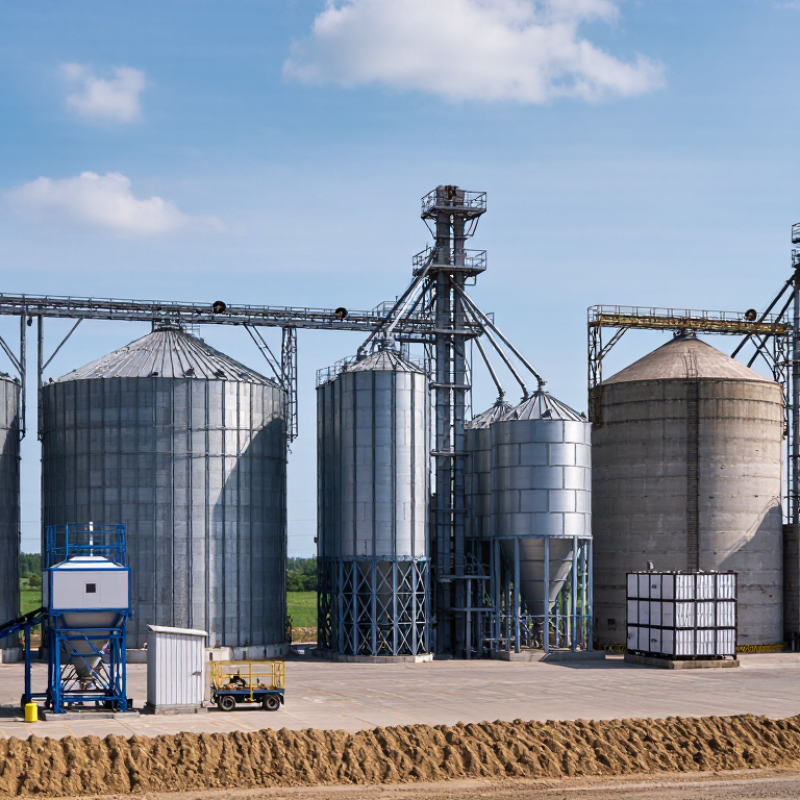
This guide examines the leading grain silo types for international buyers. It covers flat-bottom, hopper-bottom, galvanized steel, concrete, and modular storage systems. Each type has practical strengths and clear limitations. Flat-bottom silos often provide efficient bulk capacity. Hopper-bottom models can simplify discharge and reduce manual cleaning. Concrete silos offer durability, but construction quality remains critical. Modular systems may support phased expansion. Small details matter. Roof ventilation, temperature cables, corrosion protection, and fan placement can change daily performance. Buyers searching for “grain sild” information should also verify the correct technical terminology before comparing suppliers.
Reliable purchasing requires evidence, not attractive brochures. Ask for material grades, load calculations, warranty terms, inspection records, and installation references. Confirm that the design follows applicable local standards and site requirements. Independent engineers should review foundations, wind loads, seismic conditions, and electrical safety. This article offers practical guidance, but no universal ranking fits every market. Even experienced buyers can underestimate cleaning access or future expansion needs. A cheaper silo may become expensive when moisture control fails. Careful comparison, transparent specifications, and lessons from real installations create a safer investment.
Grain Silo Basics: Purpose, Structure, and Storage Principles
Grain Silo Basics: Purpose, Structure, and Storage Principles
A grain silo is more than a tall steel container. It controls moisture, temperature, airflow, and pest exposure after harvest. A strong storage system protects grain quality while reducing handling losses. The FAO Food Outlook, November 2024, forecast global cereal production at about 2.85 billion tonnes. That volume shows why reliable storage infrastructure matters across farms, ports, and processing facilities.
Most silos include a cylindrical body, roof, hopper or flat bottom, discharge equipment, and aeration channels. Steel silos suit flexible installation and fast loading. Concrete silos provide high strength and stable thermal performance. The best choice depends on grain type, climate, capacity, and turnover speed.
Storage principles remain simple but demanding: clean the structure, dry grain to a safe moisture level, and monitor temperature regularly. FAO reports that 13.2% of food is lost between harvest and retail globally. Storage is only one part of this problem, but poor silo control can worsen it.
Tips: Check grain moisture before filling. Leave space for airflow. Record temperature changes weekly. Inspect roof seals after heavy rain. Small oversights become expensive. I have seen operators trust sensors without checking calibration, and that decision can hide early spoilage. A silo may look full and healthy while warm grain develops near the center. This is where practical experience must challenge routine assumptions. The USDA Grain and Feed Annual reports also emphasize that storage conditions influence quality, market timing, and export readiness. Good design helps, but disciplined operation decides the result.
How to Match Silo Design With Grain, Climate, and Capacity
2026 Top Grain Silo Types: What Global Buyers Need to Know?
How to Match Silo Design With Grain, Climate, and Capacity
Choosing a grain silo starts with the crop, not the catalog. Wheat, maize, rice, and oilseeds behave differently during storage. Maize often needs stronger aeration because warm pockets develop quickly. Rice may require careful humidity control and gentle handling. Fine particles can also increase dust risks around conveyors and inspection points.
Climate changes the design equation. In humid coastal areas, sealed roofs, corrosion-resistant fittings, and reliable ventilation deserve close attention. Dry regions need shading and airflow control to limit moisture loss and temperature swings. Cold climates may require insulation, protected fans, and foundations suited to frost movement. Small details matter. A poorly placed temperature cable can leave hidden spoilage undetected.
Capacity should reflect harvest patterns, not only annual output. A 5,000-ton silo may be unsuitable if trucks deliver grain within two intense weeks. Multiple smaller cells can improve lot separation, rotation, and maintenance access. Taller silos save land, but they demand stronger foundations and careful discharge planning. Flat-bottom systems suit long storage, while hopper-bottom designs support faster unloading. The choice is rarely perfect. I have seen projects overbuilt for peak harvest and underplanned for daily cleaning. Buyers should review local grain tests, site wind data, loading rates, and future expansion before approving drawings. Keep spare sensors and access routes practical. An impressive design can still fail in ordinary operation.
Key Buying Criteria for Global Grain Silo Projects
2026 Top Grain Silo Types: What Global Buyers Need to Know?
For global grain projects, silo selection starts with the crop, not the catalogue. Flat-bottom silos suit large, long-term storage and usually reduce cost per tonne. Hopper-bottom silos support faster unloading and easier cleaning. Modular silos can simplify phased expansion, but joints require careful inspection. Every option needs reliable aeration, temperature sensors, access platforms, and safe dust-control measures.
The scale is significant. FAO reported that 13.2% of food was lost between harvest and retail globally in 2021. Better storage design can reduce avoidable losses. Moisture control matters most. Buyers should request tested airflow rates, fan performance at actual grain depth, and sensor accuracy. Ask for local wind, snow, seismic, and foundation calculations. Do not accept generic drawings.
Energy use deserves equal attention. The International Energy Agency notes that industrial energy efficiency remains central to reducing operating costs and emissions. Efficient fans, automatic controls, and insulated roofs can improve performance, though insulation is not always suitable for every climate. Corrosion protection must match humidity, fertilizer exposure, and grain acidity.
Small details fail first.
A practical tender should compare usable capacity, not only nominal volume. It should also define warranty response times, spare-parts availability, commissioning tests, and operator training. Buyers sometimes overestimate future demand and build excessive capacity. That mistake ties up capital. A staged project may be wiser, but only after transport delays, seasonal arrivals, and emergency storage needs are honestly reviewed.
Sources: FAO, The State of Food and Agriculture 2023; IEA, Energy Efficiency 2023.
Installation, Safety, Maintenance, and Operating Costs
2026 Top Grain Silo Types: What Global Buyers Need to Know?
Choosing a grain silo starts with the site, not the catalogue. Flat-bottom silos suit large, long-term storage on prepared concrete foundations. Hopper-bottom silos allow faster unloading and reduce residue during product changes. Their higher steel and foundation costs can challenge smaller operations. Installation needs accurate surveying, strong anchor bolts, and safe lifting procedures. A small foundation error can create serious wall stress.
Safety depends on daily discipline. Workers should never enter a silo without isolation, atmospheric testing, supervision, and suitable rescue equipment. Grain dust also requires careful control because suspended dust can ignite. Keep access ladders, platforms, and guardrails free from damaged parts. Temperature cables and moisture sensors provide useful warnings, but they cannot replace physical inspections. Some buyers rely too heavily on automation. That is a mistake.
Maintenance begins before the first harvest. Inspect roofs, seals, bolts, aeration fans, and discharge equipment after severe weather. Remove caked grain before it hardens around outlets. Check corrosion near the base, where moisture and fertilizer residues often collect. Operating costs include electricity, labor, drying fuel, cleaning, and grain shrinkage. Aeration may consume power every night during humid periods. A cheaper silo can therefore cost more over ten years. Local energy prices, climate, labor skills, and spare-part access can change the calculation. Real estimates need site data, not optimistic assumptions. There is no perfect design.
2026 Top Grain Silo Types: What Global Buyers Need to Know
Indicative planning benchmarks for installation, maintenance, and operating energy. Values represent typical mid-range conditions for properly designed and maintained facilities; actual results vary with capacity, climate, grain type, automation, and local construction costs.
Steel hopper-bottom silos generally reduce unloading time but require more mechanical equipment and maintenance. Concrete silos usually have longer installation schedules and higher initial construction complexity, while offering strong durability and thermal stability. Flat-bottom steel silos provide a balanced option for large-volume storage, especially where mechanical unloading and aeration systems are well managed.
Safety planning should include grain-dust explosion control, confined-space entry procedures, lockout/tagout, guarding of conveyors and augers, aeration monitoring, temperature checks, and trained emergency-response personnel.