2026 Best Plastic Wall Formwork Solutions for Your Projects?
The demand for efficient construction solutions has surged in recent years. According to a report by MarketsandMarkets, the global formwork market is expected to reach $19.78 billion by 2026, driven by the growing need for faster building processes. Plastic Wall Formwork is at the forefront of this evolution. It offers lightweight, durable solutions that can significantly reduce labor costs and improve construction timelines.
Plastic Wall Formwork has transformed traditional building methods. These systems provide a reliable alternative to conventional materials like wood and steel. They are resistant to weather and can be reused multiple times, promoting sustainability. However, the industry still faces challenges. The initial investment can be high, and proper training is essential to maximize efficiency. Ignoring these factors can lead to project delays and increased costs.
Stakeholders must remain informed about advancements in Plastic Wall Formwork technology. Continuous learning helps avoid potential pitfalls. By addressing challenges and leveraging effective solutions, construction professionals can enhance project outcomes. Ultimately, understanding the benefits and limitations of Plastic Wall Formwork will enable better decision-making in construction projects.
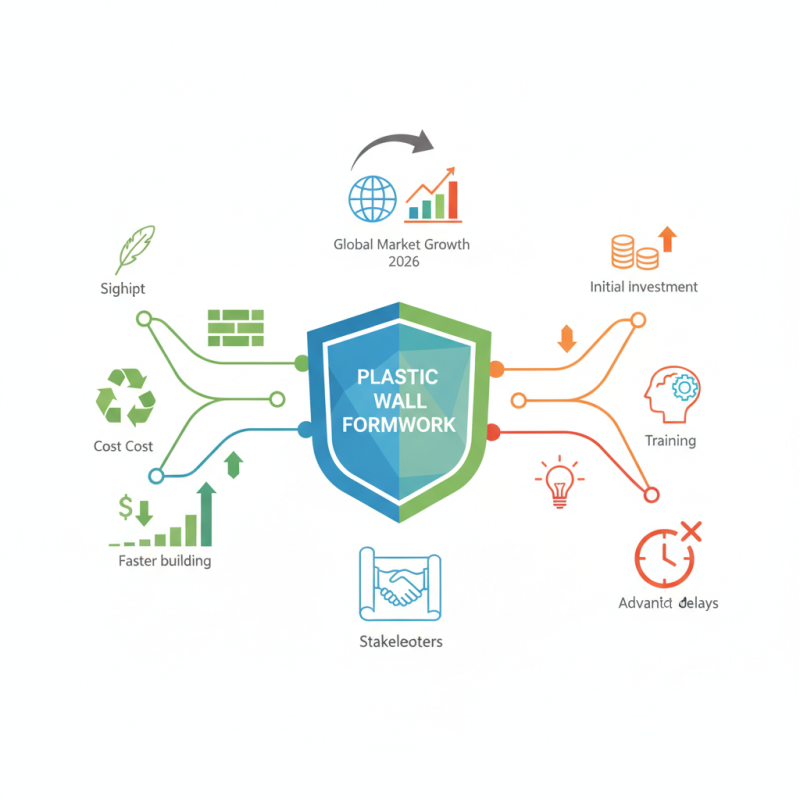
Overview of Plastic Wall Formwork and Its Advantages
Plastic wall formwork has gained traction in construction for its unique advantages. This modern alternative offers lightweight and durable solutions, streamlining the building process. The materials used in plastic formwork are resistant to moisture and chemicals. This resistance ensures that the formwork maintains its integrity and shape over time.
One key aspect to consider is the ease of assembly. Workers can set up plastic wall formwork faster than traditional materials. This efficiency often leads to reduced labor costs. However, it is important to ensure proper handling during installation. Incorrect procedures can lead to structural issues down the line.
Sustainability is another advantage worth noting. Plastic formwork is reusable and can significantly cut down on waste. Yet, some might question the environmental impact of plastic production. A thorough assessment of lifecycle impacts is crucial. Balancing efficiency and sustainability is essential in modern construction practices.
Key Features to Consider When Choosing Formwork Solutions
Choosing the right plastic wall formwork solutions is vital for any construction project. Key features to consider include durability and ease of assembly. According to a report from the International Journal of Construction Management, the right formwork can reduce labor costs by up to 40%. Lightweight materials like plastic offer significant benefits, making them ideal for complex designs.
It’s important to consider weight and handling. Lighter materials simplify transportation and installation. Make sure to review the load-bearing capacity too. Inadequate support can lead to project delays and safety hazards. Exact load specifications can help prevent collapses during the pouring phase.
Tips: Always consult technical data sheets. These resources often contain essential information about strength and longevity. Understanding these details will help avoid costly mistakes. Regular training for workers on formwork assembly is also crucial. It aids in maintaining quality and efficiency. Check the market trends for changes in materials. New innovations can yield better performance and safety standards.
Top Brands and Products for Plastic Wall Formwork in 2026
When it comes to plastic wall formwork in 2026, several brands stand out. These products often emphasize lightweight construction and ease of use. Many systems come with interlocking mechanisms, making assembly quick. This speed can dramatically reduce labor costs. However, achieving perfect alignment often takes some practice. Builders must learn the nuances of each system to avoid costly errors.
Durability is another key factor. Quality plastic formwork can withstand harsh conditions, but not all products handle extreme weather equally. Users have noted that some cheaper options tend to warp or crack over time. This flaw can lead to an unfinished look on concrete walls. Therefore, selecting a product with a proven track record is essential. Although price is tempting, longevity is critical for project success.
Environmental sustainability is a growing concern. Many manufacturers now offer recyclable materials. This shift reflects a larger trend in the industry. Still, it is essential to evaluate each product's eco-friendliness thoroughly. In many cases, the best choice may not be the most affordable one. Careful assessment will lead to responsible decisions and successful project outcomes.
Tips for Proper Installation and Maintenance of Plastic Formwork
Proper installation and maintenance of plastic formwork are crucial for achieving long-lasting results in construction. Research indicates that, when installed correctly, plastic formwork can reduce the overall project time by up to 30%. This is largely due to its lightweight nature and easy handling, which allow for quicker installation. However, improper installation can lead to significant structural issues. It's essential to ensure that all joints are properly sealed to prevent leaks during pouring.
Regular maintenance also plays a vital role in the performance of plastic formwork. Industry guidelines recommend inspecting formwork before each use. Check for cracks or warps that may have developed over time. Notably, studies show that formwork can degrade over time, especially when exposed to harsh weather conditions. A proactive approach can extend the life of your formwork and enhance project efficiency.
While plastic formwork may seem low-maintenance, neglecting it can be costly. Some users have reported needing to replace formwork every few years due to lack of care. It's also important to clean the formwork after each project to ensure that it remains in good condition for future use. Investing time in these aspects can ultimately lead to both time and cost savings.
Case Studies: Successful Projects Utilizing Plastic Wall Formwork
Plastic wall formwork has been increasingly adopted in construction due to its lightweight nature and durability. Numerous case studies highlight its successful application across various projects. For instance, one residential development employed plastic formwork to create complex wall structures efficiently. The results were impressive, showcasing minimal defects and a smooth finish.
When utilizing plastic wall formwork, several tips can enhance your project's success. Ensure proper training for your team on handling and assembling the formwork. Incorrect setup can lead to material waste and delays. Additionally, consider environmental factors like temperature and humidity. These can impact the curing process and overall project timelines.
Another project in a commercial setting demonstrated the flexibility of plastic formwork. The team faced challenges with site conditions. However, the lightweight advantage allowed for quick adjustments. Reflecting on this experience reveals that early planning is crucial. Ignoring site assessments could result in unexpected issues. Therefore, adapt your strategy based on real-time conditions.
2026 Best Plastic Wall Formwork Solutions: Time Efficiency Analysis
This chart illustrates the time saved through the implementation of plastic wall formwork solutions across various projects. Each project showcases the efficiency gained in construction timelines, highlighting the advantages of using modern formwork technology.