China Top 10 Pneumatic Flow Control Valve Manufacturers?

A pneumatic flow control valve may look like a small component, yet it can shape an entire machine’s performance. In a packaging line, a carefully adjusted valve helps a cylinder extend smoothly instead of striking its stop. In other systems, stable airflow can support repeatable motion and reduce unnecessary pressure loss. Details matter.

China has a broad supplier base, from established industrial brands to specialized valve makers. This guide introduces ten manufacturers for buyers comparing products, capabilities, and service. The list is a starting point, not a universal ranking: suitability depends on the application, operating pressure, flow range, connection size, and required response. A valve that performs well on a test bench may behave differently in a dusty workshop or a fast-cycling production line.

When evaluating a supplier, look beyond catalog claims. Check dimensional drawings, material specifications, test procedures, and whether the stated flow characteristics match your equipment. Ask how the manufacturer handles sample testing, customization, and replacement parts. These practical questions can reveal gaps that a polished product page may not show. That takes checking.

The companies covered here are presented to help narrow the search, not to replace engineering review. Confirm current product details directly with each manufacturer, since models and capabilities can change. A thoughtful comparison should consider technical fit, production consistency, communication, and after-sales support. No single choice suits every buyer.
China Top 10 Pneumatic Flow Control Valve Manufacturers?

Understanding Pneumatic Flow Control Valves and Their Main Types

Pneumatic flow control valves regulate the volume of compressed air reaching or leaving an actuator. This changes how quickly a cylinder extends or retracts; it does not directly set the air pressure. A small adjustment can noticeably change motion. Watch the piston rod, listen for exhaust noise, and check for jerking under the actual load.

A common design combines an adjustable restriction with a check valve. Air passes through the restriction in one direction and returns more freely in the other. This allows different speeds for extension and retraction. Meter-out control restricts exhaust air and often gives steadier cylinder movement. Meter-in control restricts incoming air, but changing loads can make speed less predictable. That detail matters.

Needle valves offer fine adjustment through a tapered stem, while simple throttle valves may provide less precise control. Some systems use pressure-compensated flow controls to maintain steadier flow as pressure changes, though they cannot correct every installation problem. In practice, the neat textbook result can disappoint. Long tubing, undersized fittings, leaks, and changing loads all affect actuator speed. Adjust the valve gradually, then test the machine through its full working cycle. A setting that works without a load may behave differently in production.

China’s Pneumatic Flow Control Valve Industry at a Glance

China Top 10 Pneumatic Flow Control Valve Manufacturers?
China’s Pneumatic Flow Control Valve Industry at a Glance

China’s pneumatic flow control valve industry serves automation, packaging, machinery, and process equipment makers. Suppliers offer compact inline valves, speed controllers, and other designs for adjusting airflow to actuators. Product choices vary in port size, adjustment range, materials, and connection style. A catalogue can help narrow options, but it cannot confirm performance in every installation.

For a practical comparison, check the working pressure, flow capacity, operating temperature, and seal material against your system requirements. Confirm whether the valve meters air on the inlet or exhaust side; that choice affects actuator response. Ask for test conditions behind published specifications, too. Catalogue figures may not match a real machine. That gap deserves attention.

Tips: Match thread type and tubing size before ordering. Check adjustment access in the installed position. Small details matter. Request a sample or test report when specifications are unclear, and verify performance under representative operating conditions.

China Pneumatic Flow Control Valve Industry at a Glance

Typical pneumatic operating-pressure reference points

Many industrial pneumatic systems operate around 4–6 bar. The chart shows those reference points and their unit conversions; it is technical context, not China-specific market data or a manufacturer ranking. Actual valve pressure limits vary by product.

Criteria for Evaluating Chinese Valve Manufacturers

China Top 10 Pneumatic Flow Control Valve Manufacturers?

Criteria for Evaluating Chinese Valve Manufacturers

When assessing a pneumatic flow control valve manufacturer, start with the application, not the catalogue. Ask for operating pressure, media, temperature range, port size, and required flow. A valve sized only by thread diameter may restrict a cylinder or respond unevenly. Ask how the supplier verifies flow performance across production batches. Request test records tied to specific models, not generic quality claims.

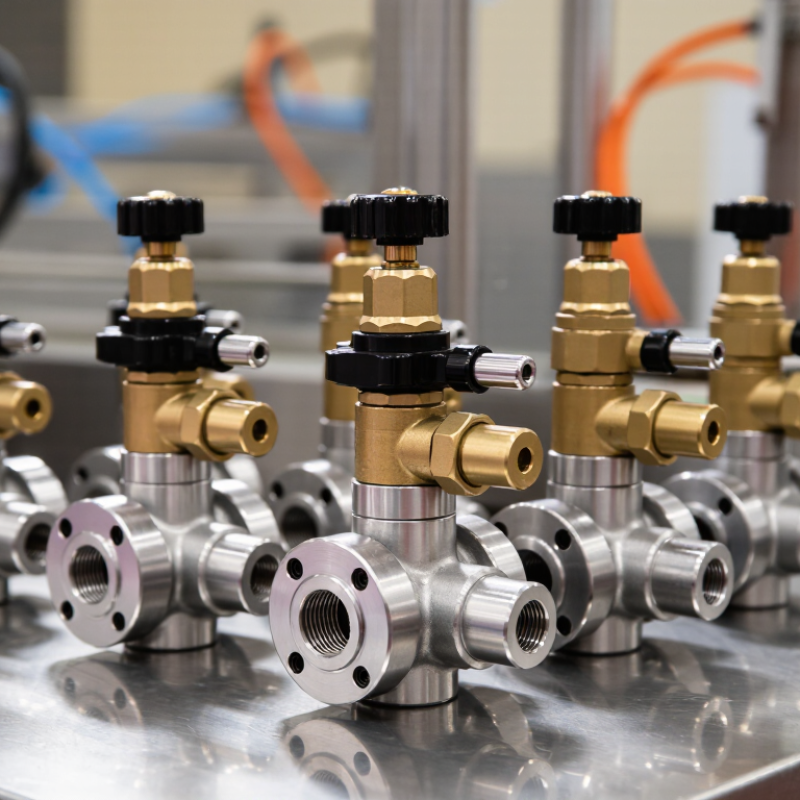
Materials and construction matter in daily service. Check the body material, sealing compound, adjustment mechanism, and protection against dust or moisture. For example, a knurled adjustment knob should turn smoothly, then hold its setting under vibration. Ask about leakage tests, cycle testing, and inspection frequency. Useful answers include measurable limits and documented methods. Vague assurances are not evidence.

Technical support is part of the evaluation. Can engineers review a circuit diagram, clarify installation direction, and help diagnose slow actuator movement? Check whether drawings, operating instructions, and spare-part information are clear and current. Compare delivery consistency, customization capability, and warranty terms alongside price. A low quote can conceal a poor fit. Fit matters more. I would still treat a polished datasheet cautiously; it cannot reveal every production variation. No checklist catches everything. If possible, assess samples under realistic pressure and duty cycles before approving a supplier.

Profiles of 10 Leading Chinese Pneumatic Flow Control Valve Manufacturers

China’s pneumatic flow control valve sector includes manufacturers with different strengths, from compact fittings to precision control assemblies. These ten profiles are best read as capability snapshots, not a verified ranking. Details matter. A supplier’s catalog may cover needle valves, speed controllers, and throttle-check valves, while its real advantage lies in consistent machining and dependable sealing.

One profile may specialize in compact, push-to-connect speed controllers for crowded machinery layouts. Another may focus on stainless-steel bodies for damp or washdown environments. Other manufacturers build modular valve-and-cylinder packages, produce high-volume brass fittings, or customize thread types for export equipment.

Some emphasize stable adjustment across repeated operating cycles; others offer broader catalogs and flexible order quantities. Buyers should compare flow curves, pressure ratings, connection dimensions, and test documentation—not rely on product photos alone.

The remaining profiles may stand out through short lead times, application engineering, custom labeling, or support for automated assembly lines. Ask for dimensional drawings and samples, then test response time and leakage under realistic conditions. A low-cost valve can still be suitable, but only when its materials and performance match the application. One limitation is easy to miss: catalog specifications do not always show how a valve behaves after prolonged use. Independent checks are sensible.

Comparing Product Ranges, Certifications, and Manufacturing Capabilities

A credible comparison of the top ten pneumatic flow control valve manufacturers should begin with product range, not catalogue size. Check whether each supplier offers needle valves, speed controllers, one-way flow controls, and options for different port sizes and pressure ranges. Published flow curves matter. They help engineers match valve performance to cylinder speed rather than relying on vague “high-flow” claims. Ask for test conditions, too.

Manufacturing capability is visible in details: calibrated test benches, traceable batches, stable machining tolerances, and documented leak checks. Review the scope and validity of quality certificates, such as ISO 9001, rather than treating a certificate as proof of every product’s performance. Request conformity documents for the intended market and application. A polished brochure is not enough. This comparison can still miss differences in real-world installation and maintenance.

Automation growth makes consistency increasingly important. The International Federation of Robotics’ World Robotics 2024 report recorded 541,302 industrial robot installations worldwide in 2023, with an operational stock of about 4.28 million. That figure does not measure valve demand directly, but it illustrates the scale of automated equipment that depends on reliable motion control. Compare manufacturers using sample test reports, lead-time evidence, spare-part availability, and clear technical support. Then verify the claims on the actual valve. Small details matter.