How to Choose the Right Air Flow Control Valve for Your Needs?
Choosing the right air flow control valve is crucial for optimal system performance. Expert Jason Thompson, a leading authority in HVAC systems, once said, “Selecting the right valve can make or break your airflow efficiency.” This insight underscores the importance of understanding your specific needs before making a decision.
Air flow control valves regulate the amount of air in a system. They play a key role in maintaining balance and efficiency. An unsuitable valve can lead to inadequate airflow or increased energy costs. Therefore, knowing the parameters of your application is essential. Factors such as pressure requirements, temperature ranges, and specific application needs should be carefully considered.
Unfortunately, many fail to evaluate the long-term impact of their choice. Some may overlook basic specifications. Others might prioritize cost over quality, which can have lasting consequences. This decision is often underestimated, yet it affects system performance significantly. Experts agree that making an informed choice is vital for ensuring reliability and efficiency in air flow control systems.
Understanding the Functionality of Air Flow Control Valves
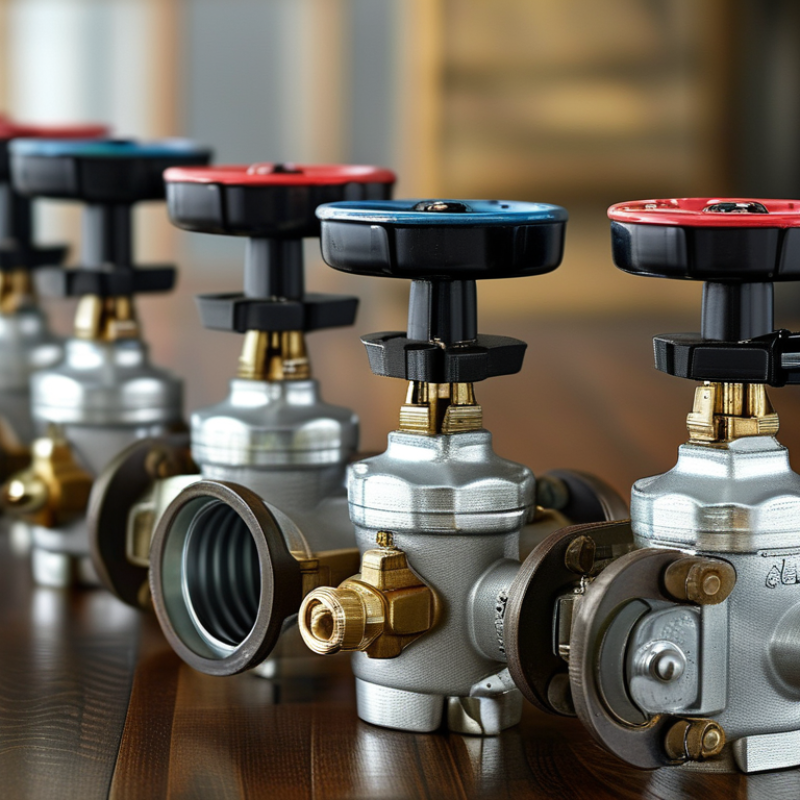
Air flow control valves are essential components in various systems. They regulate the flow of air, ensuring optimal performance and efficiency. These valves help maintain desired pressure levels and prevent issues like backflow and air wastage. Understanding their functionality is key to choosing the right valve.
Air flow control valves operate by adjusting the passage of air in response to system demands. When air pressure increases, the valve will close partially to reduce flow. Conversely, it opens wider when pressure drops. This dynamic adjustment is crucial for maintaining stability within the system. Various designs exist, including modulating and on/off types, each serving distinct purposes.
While selecting a valve, consider factors like pressure ratings, flow capacity, and responsiveness. Ensuring compatibility with your specific system is vital. Some users may assume that a larger valve equals better performance. This misconception can lead to improper functioning. Always analyze your needs carefully before making a choice. A well-fitted valve enhances efficiency and reduces maintenance costs.
How to Choose the Right Air Flow Control Valve for Your Needs?
| Valve Type |
Application |
Material |
Pressure Rating (psi) |
Temperature Range (°F) |
Flow Coefficient (Cv) |
| Butterfly Valve |
HVAC Systems |
Aluminum |
150 |
32 to 150 |
200 |
| Globe Valve |
Industrial Applications |
Stainless Steel |
300 |
-20 to 300 |
40 |
| Check Valve |
Pneumatic Systems |
Brass |
200 |
0 to 200 |
30 |
| Solenoid Valve |
Automatic Control |
PVC |
150 |
-10 to 140 |
25 |
Identifying Your Specific Application Requirements
Choosing the right air flow control valve begins with understanding your specific application requirements. Identify the type of system where the valve will be used. This could be in HVAC, manufacturing, or process control sectors. Each setting has different demands. Assess the flow range, pressure, and temperature thresholds that apply. These factors influence the valve's performance and durability.
When selecting a valve, consider the material it’s made from. Different environments may require corrosion-resistant materials. For example, if using in a humid setting, select valves that withstand moisture exposure. Evaluate the sizing of the valve as well. An oversized or undersized valve can affect overall efficiency.
Tips to remember: always cross-reference specifications with your equipment. In some cases, manufacturers provide guidelines for compatibility. Keep in mind the response time needed for your application. A slow valve can lead to delays and inefficiencies. Lastly, don’t hesitate to consult technical experts if uncertain about your choices. Their input can provide invaluable insights. Always question whether you have understood the full requirements of your system before making a choice.
Evaluating Different Types of Air Flow Control Valves Available
When selecting an air flow control valve, you need to understand the different types available. Common options include globe valves, butterfly valves, and ball valves. Each type offers unique advantages based on the specific application. For example, globe valves provide fine control of flow. Butterfly valves are excellent for quick shut-off and tight sealing. Ball valves deliver fast operation and durability.
According to a report by Grand View Research, the global market for air flow control valves is projected to reach $4.5 billion by 2025. This growth reflects the increasing need for efficient air management in HVAC systems. A key consideration is the valve's pressure rating. Valves should be able to handle the specific pressure requirements of the system. Misjudging this can lead to failures and costly repairs.
It's also crucial to consider the material of the valve. Common materials include brass, stainless steel, and plastic. Each material has different resistance to corrosion and temperature changes. For instance, brass valves may corrode in humid environments, while stainless steel offers better longevity. Always review specifications and real-world performance reports to ensure reliability in your choice. Assessing these factors can lead to more effective air flow control.
Factors to Consider: Size, Material, and Pressure Ratings
Choosing the right air flow control valve requires careful consideration. Size is a fundamental factor. A valve that is too small can restrict flow, causing pressure drops. Conversely, an oversized valve may lead to turbulence, affecting system performance. Measure your space accurately and evaluate the system's requirements. Remember that even minor discrepancies in size can lead to inefficiencies.
Material selection is also critical. Valves come in various materials, each suited for specific applications. For example, stainless steel offers corrosion resistance, while PVC is lighter and more cost-effective. Consider the environment in which the valve will operate. Is it harsh or mild? This decision impacts durability and performance.
Pressure ratings must not be overlooked. Each valve has a maximum pressure it can handle. Exceeding this limit can result in leaks or complete failure. Assess your system's typical operational pressures and potentially avoid expensive downtime. Remember, the right valve is not just about specifications; it’s about ensuring reliability and longevity in the system.
Air Flow Control Valve Selection: Factors to Consider
Best Practices for Installation and Maintenance of Air Flow Valves
Maintaining air flow control valves is essential for optimal performance. Regular inspection helps identify wear or damage. Check for leaks around joints and fittings. A small leak can lead to inefficiencies. Ensure that the valve's moving parts operate smoothly. Sticking components can cause function issues.
Installation requires careful consideration. Match the valve size to your system to avoid pressure drop. Incorrect sizing may lead to overworking the valve. Pay attention to the direction of flow marked on the valve. Incorrect orientation can hinder system efficiency. Ensure fastening is secure but avoid over-tightening, which can cause damage.
Consider implementing a maintenance schedule. Clean filters regularly to prevent blockages. A well-maintained valve is more reliable over time. Document any issues or repairs made to track performance trends. Regular training for the team handling the equipment ensures they understand the workings of these valves. This can lead to more effective troubleshooting and fewer mistakes.