How to Choose the Best Cotton Candy Machine for Your Business?
Choosing the right cotton candy machine for your business is crucial. The right machine can boost sales and enhance customer enjoyment. It offers a visually appealing treat that attracts many.
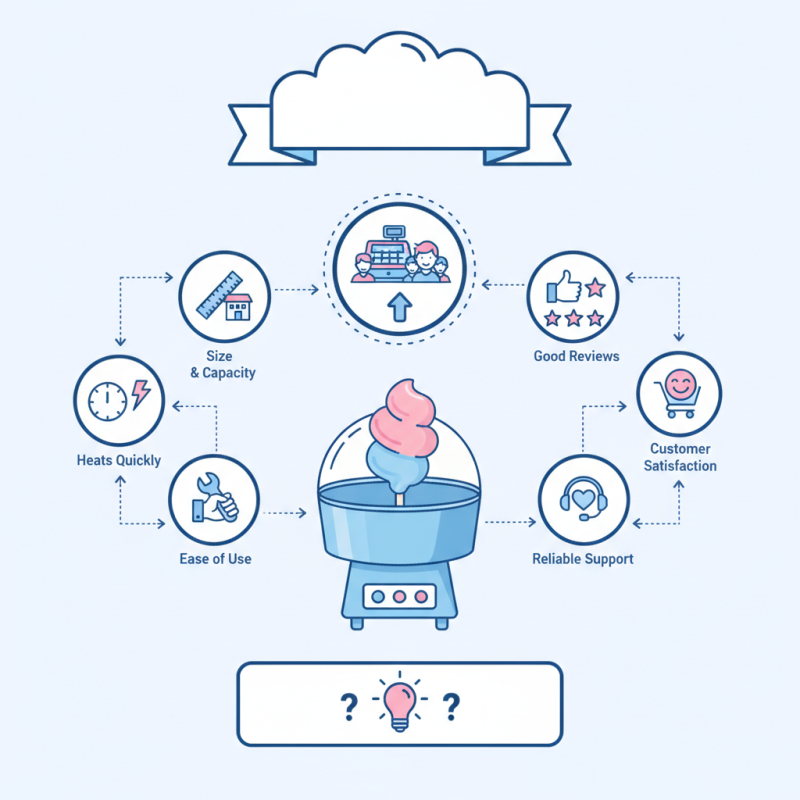
Consider factors like size, capacity, and ease of use. A machine that heats quickly helps keep up with demand during busy hours. A larger capacity may be necessary for events or fairs.
Look for machines with good reviews and reliable customer support. A well-reviewed cotton candy machine can save you headaches. Choosing wisely impacts not just your profit but also customer satisfaction. Remember, making the right choice can be a learning process. Reflect on your needs and preferences.
Factors to Consider When Selecting a Cotton Candy Machine for Your Business
When selecting a cotton candy machine for your business, several factors require careful consideration. The choice of machine directly affects production efficiency and customer satisfaction. According to the National Association of Concessionaires, a high-quality machine can produce up to 200 servings per hour. This efficiency is crucial for busy events or high-traffic areas. A model with adjustable heat and spinning speed can help you optimize the sugar melting point. This ensures consistent cotton candy texture, which is vital for retaining customers.
The size and portability of the machine also matter. If your business attends various events, a lightweight and compact design is preferable. Machines that easily disassemble can simplify transportation and storage. Reliability is another key factor. Research indicates that machines with stainless steel components tend to have a longer lifespan and are easier to clean, which is essential for maintaining health standards.
Cost is often a significant concern, but opting for the cheapest model may lead to issues down the line. A report from the Confectionery Association mentions that many businesses underprice themselves by skimping on equipment. This can lead to breakdowns and increased maintenance costs, potentially hurting your reputation. Investing in a quality machine is not just about production; it's about the overall experience you provide to your customers.
How to Choose the Best Cotton Candy Machine for Your Business? - Factors to Consider When Selecting a Cotton Candy Machine for Your Business
| Factor | Description | Considerations |
| Machine Type | Different machines are available for home use, commercial use, and professional events. | Consider the volume of cotton candy you need to produce. |
| Electric vs. Manual | Electric machines are easier to use, while manual machines are often more portable. | Evaluate your staff's proficiency and preferred method of operation. |
| Capacity | Machines vary in how much cotton candy they can produce at one time. | Choose a capacity that suits your expected demand. |
| Portability | Some machines come with carts for easy transportation. | Consider the locations where you will use the machine. |
| Cleaning and Maintenance | Ease of cleaning varies between models. | Look for machines that are easy to disassemble and clean. |
| Price | Prices can vary widely based on features and brand. | Establish a budget that aligns with your business plan. |
| Warranty and Support | Check if the machine comes with a warranty and customer support. | Consider the level of post-purchase support you may need. |
Understanding Different Types of Cotton Candy Machines and Their Applications
When selecting a cotton candy machine, understanding the different types is crucial for your business's success. There are three main categories: gravity machines, counter models, and commercial machines. Gravity machines are typically less expensive, but they produce small quantities. Counter models offer better flexibility and higher output, making them ideal for festivals and events. In contrast, commercial machines can handle heavy demand, beneficial for businesses with a high volume of sales.
Statistics from the National Confectioners Association indicate that cotton candy sales peaked at over $45 million in 2022. This suggests a growing market presence that your business can tap into. Knowing which machine suits your needs can directly affect your profit margins.
Tips: Consider the volume you anticipate. If you plan for large crowds, invest in a commercial machine. If your events are smaller, a counter model may suffice. Assess your space limitations too; some machines require more room than others. Be aware that lower-cost machines may lead to slower production and inconsistencies in the final product. Think about the long-term costs versus the initial investment. Your choice can influence customer satisfaction and repeat business.
Evaluating Production Capacity and Speed for High-Demand Events
When selecting a cotton candy machine, production capacity and speed are crucial for high-demand events. According to industry reports, a well-chosen machine can serve anywhere from 60 to 100 cones per hour, depending on the model. This means that for an event with 500 attendees, ensuring your machine meets this capacity is vital. Otherwise, the wait times may discourage customers and affect sales.
Tip: Evaluate the size of your events. If you're hosting large gatherings like fairs or festivals, invest in high-output machines. Assessing your average event size will guide your decision.
Speed is equally important. Experienced vendors note that crowd engagement increases when cotton candy is served quickly. If your machine can produce a cone every 30 seconds versus every minute, your potential revenue doubles during peak times. However, managing speed shouldn’t compromise quality.
Tip: Maintain a balance between speed and taste. Cotton candy that's fluffy and vibrant attracts more customers. Always consider your workflow strategy—position the machine near the event's focal point for maximum visibility but allow space for operations.
Analyzing the Cost vs. Profit Potential of Cotton Candy Machines
When considering the cost versus profit potential of cotton candy machines, it's essential to analyze both upfront and ongoing expenses. A standard cotton candy machine can cost between $150 to $500, depending on its features and capacity. While this initial investment is significant, the potential return is even more substantial. Reports suggest that cotton candy can be sold for $3 to $5 per serving, yielding impressive profit margins.
Understanding the market is critical. Events such as fairs and parties can draw large crowds, providing ample opportunity for sales. Data shows that a well-placed cotton candy stand can achieve sales of over 200 servings in just a few hours during peak times. This highlights both the demand and profit potential inherent in cotton candy sales.
Yet, there are challenges. Not all machines can handle high sales volume efficiently. Some may require constant maintenance or may produce inconsistent results, leading to customer dissatisfaction. It's vital to weigh these potential setbacks against the allure of high profits. Analyzing customer preferences and machine reliability becomes crucial in making an informed decision. Investing time in research is just as important as the financial commitment itself.
Maintenance and Durability: Key Features for Long-Term Business Success
When selecting a cotton candy machine, maintenance and durability are vital for long-term success. Regular maintenance can extend the lifespan of your equipment. According to industry reports, machines with easy-to-clean components last longer. They also reduce downtime, allowing your business to serve more customers consistently.
Choosing a durable machine is crucial. Look for units made from high-quality materials. Stainless steel components often resist wear and tear better than plastic. Data shows that machines with better build quality can last several years longer than their cheaper counterparts. Investing in a robust machine can save on replacement costs in the long run.
**Tip:** Always check customer reviews for insights on maintenance issues.
Additionally, consider the ease of acquiring replacement parts. Some machines have components that are hard to find, leading to extended downtimes. You want a machine that allows you to swiftly replace essential parts. Frequent checks on wiring and motor function can prevent unexpected breakdowns.
**Tip:** Schedule routine inspections to catch minor issues early. Regular attention can improve performance and reliability.