How to Choose Formwork Steel Props at the 139th Canton Fair?
Choosing the right formwork steel prop is crucial for any construction project. At the 139th Canton Fair, numerous suppliers will showcase their products. Researching and understanding the materials and specifications is essential. The fair will feature advanced manufacturing techniques and innovative solutions.
One of the highlights is the introduction of AI tools. These tools help buyers quickly find suppliers with necessary certifications, like ISO and CE. However, the overwhelming number of options can be confusing. A buyer should carefully assess each supplier’s reputation and product quality.
It is important to focus on specific needs. A formwork steel prop's load capacity, adjustment range, and durability must match the project requirements. Skipping thorough checks may lead to issues later. Engaging with vendors at the fair can provide insights but consider potential language barriers and misunderstandings. Each decision made here can significantly influence project outcomes.
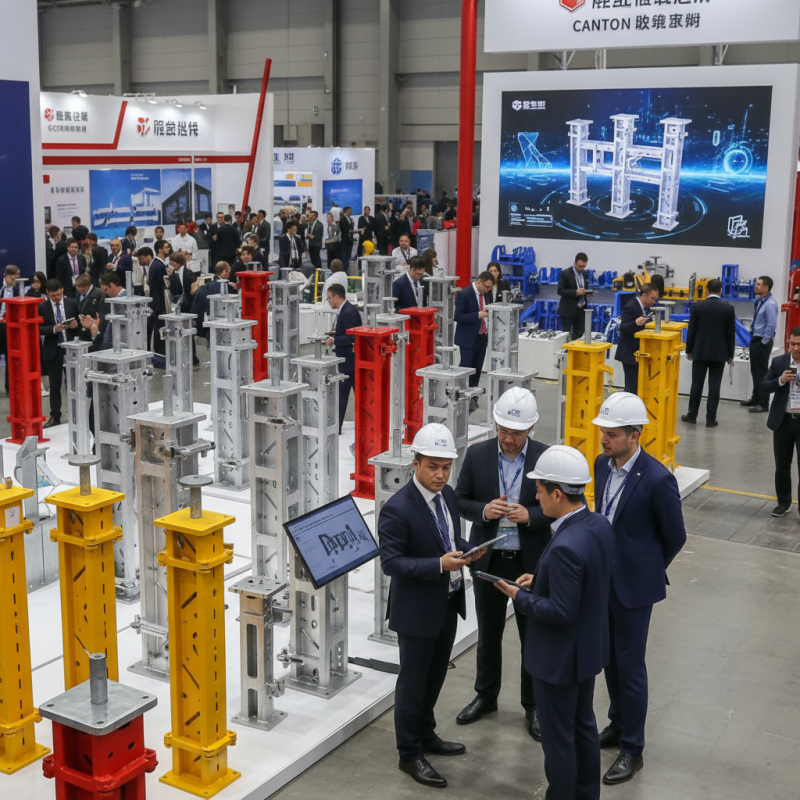
Understanding Formwork Steel Props: Definition and Function
Formwork steel props are essential in construction projects. They provide support and stability during the pouring of concrete. Understanding their definition and function is crucial for ensuring structural integrity.
These props, typically made of high-strength steel, can bear significant loads. A recent industry report indicates that the global demand for formwork systems, including steel props, is projected to grow by 6% annually. This growth is driven by urbanization and increased infrastructure investments. Construction companies must choose reliable props to minimize risks during projects.
When selecting steel props, consider their load capacity and height adjustment range. Props with a greater load-bearing capacity enhance safety. It's vital to inspect the props for any signs of wear or damage. Ineffective props can lead to structural failures, which may incur significant costs and safety hazards. That said, not all props meet the same standards. Evaluating the quality of materials and craftsmanship is essential.
How to Choose Formwork Steel Props at the 139th Canton Fair?
| Dimension | Material Type | Load Capacity (kN) | Height Adjustment Range (m) | Weight (kg) |
| 48mm x 3mm | Steel | 30 | 1.5 - 3.0 | 10 |
| 60mm x 3mm | Galvanized Steel | 40 | 2.0 - 3.5 | 12 |
| 76mm x 4mm | Mild Steel | 50 | 2.5 - 4.0 | 15 |
Key Factors to Consider When Choosing Steel Props
Choosing the right formwork steel props is crucial at the 139th Canton Fair. Several key factors can guide your choice. Start with load capacity. Ensure the prop can handle the required weight. This includes the weight of concrete and any other added material.
Tip: Always verify the specifications provided by the manufacturers. Sometimes, data may seem too good to be true.
Next, consider the material quality. High-strength steel is essential for durability. Inspect the welding joints and finish. A poor finish can indicate low-quality workmanship. You don’t want props that bend or break under pressure.
Tip: Don’t rush your decisions. Take time to compare different options. Reflect on what you truly need for your project.
Finally, check user reviews. Genuine feedback can reveal potential issues. Look for comments about reliability and ease of use. Understanding others' experiences can help minimize risks. You might find unexpected insights that change your mind about a prop.
Comparing Different Types of Steel Props Available
When attending the 139th Canton Fair, understanding the different types of steel props is crucial. Steel props are essential for construction projects. They provide support during various phases of building structures. There are several types of props available. Each has distinct features and benefits.
Some common types include adjustable props, fixed props, and telescopic props. Adjustable props allow for flexibility, making them ideal for uneven ground. Fixed props are sturdier and often used for longer periods. Telescopic props are versatile and can extend to various heights. Keep in mind, though, that not every type suits every project.
Consider the weight capacity needed for your specific application. Each type varies in load-bearing strength. Additionally, pricing can differ significantly. Sometimes, cheaper options compromise on quality. Always inspect the materials used in construction. Small defects can lead to significant issues on-site. Understanding these details can enhance safety and efficiency in your projects.
Comparison of Different Types of Steel Props
Evaluating Quality and Standards at the Canton Fair
When attending the 139th Canton Fair, selecting quality formwork steel props is crucial. Start by inspecting the materials used in the props. High-quality steel should be sturdy and durable. Look for signs of wear or defects—bends or rust may indicate poor quality. Always ask suppliers for detailed product specifications.
Next, evaluate the manufacturing standards. Check if the props meet international safety regulations. Each prop must have load ratings and durability certifications. A reliable supplier should provide transparent documentation for these standards. While evaluating the products, pay attention to the finish and coating, as these affect longevity.
Interacting with the suppliers is essential. Ask questions about their quality control processes. Some vendors may promise more than they can deliver. Observing how they handle queries can reveal their reliability. A lack of clear answers often raises flags. Do not rush the decision—take your time to compare different offerings.
Tips for Engaging and Negotiating with Suppliers
Attending the 139th Canton Fair can be an overwhelming experience. Engaging with suppliers requires both confidence and strategy. Successful negotiation begins long before you reach the booth. Research potential suppliers in advance. Have questions ready. This will help you assess their credibility and gauge their responsiveness.
When negotiating, don’t be afraid to start with a lower price. Suppliers expect this. Show them your willingness to negotiate. Use concrete details from your research to substantiate your claims. If they seem hesitant, express your interest in working together but leave room for adjustment. Remember, the goal is to find a mutually beneficial agreement.
Tips: Listen actively during discussions. Pay attention to both verbal and non-verbal cues. This can provide insight into their flexibility. Take notes on key points and follow up after the fair. A simple email can strengthen your connection. Keep your communication clear and concise. Suppliers appreciate professionalism and clarity. Stay patient and persistent throughout the process.