How to Choose the Right Proportional Flow Control Valve?
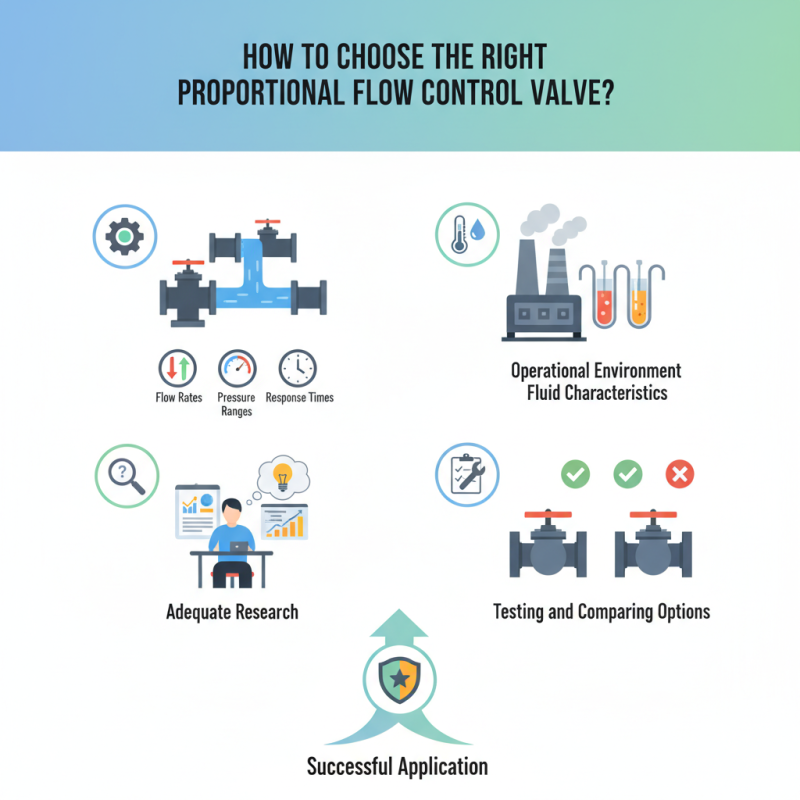
Choosing the right proportional flow control valve is crucial for effective fluid management in various systems. A properly selected valve enhances performance and efficiency. However, the decision can be complex and requires careful consideration.
Proportional flow control valves come in different sizes and types. Each design serves specific applications. Factors like flow rates, pressure ranges, and response times must be evaluated. It's common for users to overlook these details. A mismatch can lead to inefficiencies or system failures.
In addition, the operational environment cannot be ignored. Temperature and fluid characteristics impact valve performance. Adequate research is essential; yet many skip this step. Testing and comparing options is vital to avoid frustrating outcomes. Ultimately, making informed choices ensures a successful application of a proportional flow control valve.
Understanding the Basics of Proportional Flow Control Valves
Proportional flow control valves play a key role in hydraulic and pneumatic systems.
They regulate fluid flow based on the position of an input signal. This allows for precise control of
motion, speed, and pressure. When selecting a valve, understanding its basic components is essential.
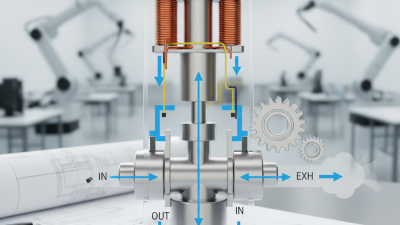
The main parts include the actuator, control module, and valve body.
The actuator converts the control signal into valve movement. This movement adjusts the flow rate.
Various actuator types are available, including electric and hydraulic.
Each technology has unique advantages and disadvantages.
The control module interprets the input signal. It translates these signals into actions for the actuator.
A mismatch in this communication can lead to performance issues.
Selecting the right valve can be tricky. Flow requirements vary greatly among applications.
It’s important to consider the application's specific needs. What works for one system may not fit another.
Closely analyzing flow rates, pressure drops, and response times is vital. Make sure to thoroughly evaluate
these aspects to avoid potential inefficiencies. A small error in selection can lead to significant problems
in operation. Understanding the basics helps, but practical knowledge is equally important.
Key Factors to Consider When Selecting a Proportional Flow Valve
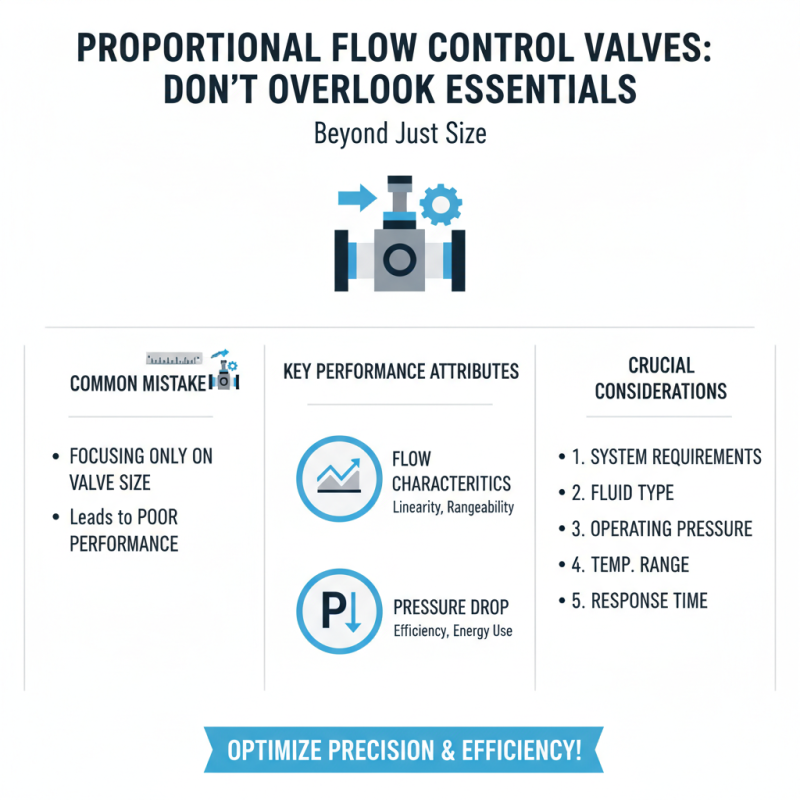
When selecting a proportional flow control valve, several crucial factors come into play. The flow range is vital. Knowing the required flow rate helps narrow down choices quickly. Additionally, consider the pressure conditions in your system. High-pressure operations may need robust valves to withstand corrosion and wear. Think about the fluid characteristics too. Will it be water, oil, or something more abrasive? Each fluid behaves differently.
Another factor to weigh is the control method. Options range from manual adjustments to electronic controls. This choice impacts precision and ease of use. Many users overlook environmental factors. Make sure your valve can function in extreme temperatures if necessary. Sometimes, the best valve is one that performs adequately under all conditions, not just ideal scenarios.
Size can be misleading. A larger valve does not always guarantee better performance. It might worsen the flow if the system cannot handle it. Reflection on sizing helps mitigate common problems. Installation ease is also essential. A complicated setup can lead to future headaches. Aim for a balance between performance and practicality.
Proportional Flow Control Valve Selection Criteria
This bar chart represents the key factors to consider when selecting a proportional flow control valve. Each factor is rated on a scale of 100, indicating its importance in the selection process.
Types of Proportional Flow Control Valves and Their Applications
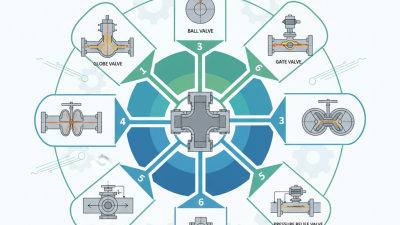
Proportional flow control valves come in various types, each tailored for
specific applications. Common types include
solenoid-operated, hydraulic, and pneumatic valves.
Solenoid valves offer fast response times and precise control for smaller systems.
They are often used in automotive and robotics sectors. Hydraulic valves are robust, making them
popular in heavy machinery. These valves manage fluid power effectively, increasing efficiency
in industrial applications.
A recent industry report indicates that proportional flow valves improve system performance
by up to 30%. This improvement is critical in sectors
like manufacturing, where precision is essential. Pneumatic valves, on the other hand,
are ideal for applications requiring quick actuation. They function well in packaging and
conveying systems. However, selecting the wrong type can lead to inefficiencies. It's important
to consider factors like response time, fluid type, and operating pressure.
Choosing the right valve may seem straightforward, but it often requires more thought than expected.
Even slight discrepancies in specifications can result in system failures. This reflects the
need for detailed analysis before making a choice.
Collecting data on operational conditions is vital. Failure to do so may lead to costly mistakes
down the road. Understanding the unique attributes of each type can better align
performance with application needs.
Evaluating Performance Specifications for Proportional Flow Valves
When evaluating performance specifications for proportional flow control valves, it’s essential to focus on key metrics. These include flow capacity, response time, and pressure drop. According to industry research, a well-selected valve can improve system efficiency by up to 30%. Rapid response times are crucial for applications requiring precise control. A typical target response time is under 200 milliseconds in many industrial settings.
Flow capacity is another critical specification. Knowing the maximum flow rate is vital for ensuring the valve matches system demands. An undersized valve may lead to reduced performance and potential system failures. Data suggests that improper valve sizing can account for up to 20% of system inefficiencies. Additionally, examining the pressure drop across the valve helps in assessing energy losses during operation.
It's important to consider operating conditions. Factors like temperature and fluid type can significantly impact a valve's performance. Many users overlook these aspects, leading to costly operational issues. For instance, high temperatures can alter a valve's characteristics, leading to unexpected failures. Regular performance evaluations and adjustments based on operating conditions can help mitigate such risks.