10 Tips for Choosing the Right Pressure Valves?
Choosing the right pressure valves is not a simple matter of matching pipe size to a catalog image. The correct choice protects equipment, stabilizes production, and reduces costly maintenance interruptions. Yet small details can decide whether a valve performs reliably. Media type, operating pressure, temperature, flow rate, corrosion risk, and connection standards all require careful review. A valve designed for clean water may fail quickly in abrasive slurry or corrosive chemicals. That difference matters.
This guide presents ten practical tips for evaluating pressure valves with greater confidence. It considers sizing, materials, pressure ratings, response speed, relief settings, installation conditions, and long-term service needs. Manufacturer data should be checked against recognized technical standards, test records, and site requirements. Do not rely on appearance alone. A polished body proves very little. Maintenance teams should also examine calibration access, replacement parts, inspection intervals, and documentation quality. These details often become important after installation, when downtime is already expensive.
Good selection depends on both engineering evidence and field experience. A checklist helps, but it cannot replace professional judgment. In some applications, the cheapest valve may create higher operating costs through leakage, unstable control, or frequent replacement. That conclusion is not universal. Each system has its own risks. Reviewing actual operating conditions with qualified engineers, manufacturers, and safety personnel creates a more dependable decision. The goal is not merely to purchase a valve. It is to choose pressure valves that remain safe, accurate, and maintainable throughout their working life.
Understanding Pressure Valve Types and Their Applications
Choosing the right pressure valve starts with understanding its function.
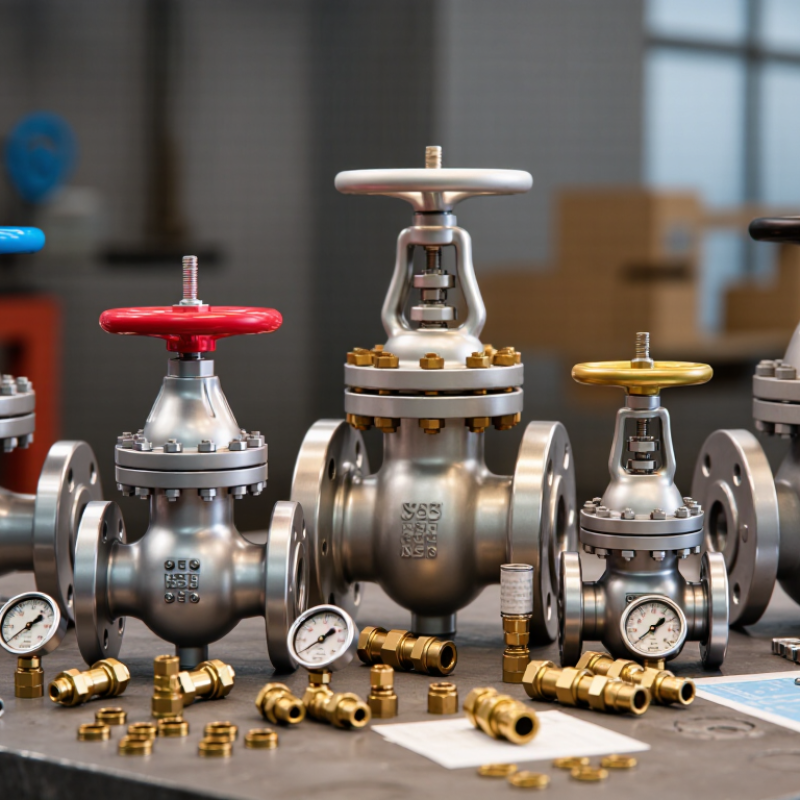
Relief valves protect vessels by releasing excess pressure. Reducing valves lower an unstable inlet pressure for downstream equipment. Backpressure valves maintain pressure upstream, while vacuum valves prevent tank collapse during draining or cooling. Safety valves suit rapid pressure release, especially in steam systems.
Match the valve to the application, not just the pipe size.
Check operating pressure, temperature, flow rate, and fluid composition. Corrosive liquids may require resistant body and seal materials. Clean gases demand careful leakage control.
Hot steam needs suitable trim and a dependable discharge route. Confirm the valve’s capacity under real conditions. A valve that fits physically may still be hydraulically wrong.
Look closely at ten practical details:
set pressure
allowable overpressure
connection type
flow direction
response speed
seal compatibility
installation position
inspection access
certification
replacement cost
Keep the gauge visible. Watch for flutter, chattering, or a rising downstream temperature. These signs often reveal poor sizing or unstable system pressure. A field check should include blocked outlets, thermal expansion risks, and drain arrangements.
Do not rely on catalog pressure alone. Actual backpressure can change performance.
I have seen selection decisions focus on initial price, then overlook maintenance space. That is an expensive mistake.
Review the pressure calculations with qualified engineers and applicable local codes before commissioning.
Defining Pressure, Flow, Temperature, and System Requirements
10 Tips for Choosing the Right Pressure Valves?
Defining Pressure, Flow, Temperature, and System Requirements
Choosing a pressure valve starts with accurate operating data, not a guess from the pipe size. Record normal, minimum, and maximum pressure at the valve location. Include startup surges and pump shutdown effects. A valve rated for average pressure may fail during a brief spike. Define the required flow range, then check the valve’s flow coefficient and controllability. Oversizing often creates unstable regulation, especially at low flow. That mistake is easy to miss.
Temperature changes material strength, seal performance, and fluid behavior. Record both continuous and peak temperatures. Identify the medium clearly, including solids, corrosive chemicals, gas, or steam. Compatibility tables help, but actual concentration and contamination also matter. Check connection size, pressure class, installation direction, and available space. A compact valve may fit the drawing but leave no room for inspection. I have seen maintenance teams remove nearby piping for a simple seal replacement.
Consider whether the valve should regulate, isolate, relieve, or prevent reverse flow. Select actuation based on response time, control accuracy, and failure position. Review instrument signals and available energy before approving the design. Ask how operators will test the valve safely. Define leakage limits, inspection intervals, spare parts, and documentation requirements. Local conditions can change everything, including vibration, outdoor exposure, and freezing. Recheck the calculations with measured field data when possible. Initial assumptions are often wrong.
Comparing Valve Materials, Sizes, Ratings, and Connection Standards
10 Tips for Choosing the Right Pressure Valves
Comparing Valve Materials, Sizes, Ratings, and Connection Standards
Tip 1: Match the valve material to the fluid, temperature, and corrosion risk. Stainless steel suits many aggressive services, while carbon steel may fit dry, controlled systems. Tip 2: Check chemical compatibility at the actual operating temperature. A material that works in a catalog may fail in a hot process. Tip 3: Consider erosion from solids, velocity, and repeated cycling. I once focused too heavily on corrosion and underestimated wear. That mistake was expensive.
Tip 4: Select the size from verified flow data, not pipe diameter alone. Tip 5: Review pressure drop and required flow range. An oversized valve can hunt, leak, or control poorly. Tip 6: Compare pressure and temperature ratings together. Never treat a pressure rating as constant across all temperatures. Tip 7: Include startup, shutdown, and pressure surge conditions. Tip 8: Confirm the valve body, trim, seals, and bolts share suitable ratings. Small details matter.
Tip 9: Match connection standards carefully, including flange dimensions, face type, thread form, or weld preparation. ASME, API, ISO, and regional standards may not be interchangeable. Tip 10: Check inspection documents, test pressure, marking, and traceability before installation. Ask for clear evidence. A reliable selection also considers maintenance space, actuator loads, and replacement availability. I still recheck drawings against field measurements, because assumptions sometimes survive longer than they should.
Evaluating Performance, Safety Features, Maintenance, and Service Life
10 Tips for Choosing the Right Pressure Valves?
Choose a pressure valve by operating data, not catalogue appearance. Record normal, minimum, and maximum pressure, temperature, fluid type, flow rate, and pressure spikes. Check the valve’s tested capacity at your actual conditions. A large safety margin can cause unstable control. Too little margin is dangerous. The U.S. Department of Energy reports that compressed-air leaks can waste 20–30% of compressor output. Poor valve selection can quietly increase this loss through leakage and pressure drop.
Review safety features closely. Confirm set-pressure accuracy, emergency shutoff behavior, relief capacity, material compatibility, and fail-safe position. Ask for test certificates, calibration records, and traceable inspection results. In corrosive service, inspect seals and wetted parts, not just the body material. Field technicians often find damaged threads, clogged sensing lines, or incorrect installation angles. These small details matter. They are easy to miss.
Maintenance access should influence the purchase. Select valves with replaceable wear parts, visible indicators, and practical isolation points. Define inspection intervals using operating severity, not habit. ISO 14224 emphasizes consistent equipment data for reliability analysis, so record failures, adjustments, leakage, and response time. Service life depends on cycling, contamination, vibration, and maintenance quality. A ten-year estimate may look convincing, but it is not a guarantee. Review real plant history before accepting it. Reference: U.S. Department of Energy, Improving Compressed Air System Performance: A Sourcebook for Industry; ISO 14224, Petroleum, petrochemical and natural gas industries.
Selecting Reliable Manufacturers and Verifying Quality Certifications
10 Tips for Choosing the Right Pressure Valves
Selecting a pressure valve starts with the actual operating conditions, not a catalog photograph. Record the medium, temperature, pressure range, flow rate, connection size, and required failure position. A reliable manufacturer should explain how its valve handles pressure spikes and repeated cycling. Ask for material certificates and verify that valve bodies, springs, seals, and fasteners match the specified grade. Small mismatches can cause expensive failures.
Quality certification deserves careful checking. Request the certificate number, issuing organization, scope, expiration date, and covered production site. Confirm that the document applies to the exact valve model, not merely the manufacturer. ISO 9001 can indicate controlled quality processes, but it does not prove every valve is safe. Product standards, pressure-test reports, calibration records, and inspection procedures provide stronger evidence. Check whether testing includes hydrostatic pressure, leakage, seat performance, and set-pressure accuracy.
Talk to the technical team before purchasing. Their answers should be specific, measured, and supported by records. Ask how each valve is identified and traced from raw material to final inspection. A trustworthy supplier should provide clear installation, maintenance, and recalibration instructions. I once treated a certificate as complete proof, and that was too simplistic. Documents can be outdated or incomplete. Independent inspection may be worthwhile for critical systems. Keep a written comparison of ten points: design, materials, ratings, testing, certification, traceability, service support, delivery, warranty, and total cost. Reliability is demonstrated in details.