2026 How to Choose the Best Aluminum Welder Machine?
Choosing the right Aluminum Welder Machine is crucial for achieving quality results in your welding projects. The market offers a variety of options, making the selection process daunting. This guide aims to simplify that process, focusing on key factors that impact performance and usability.
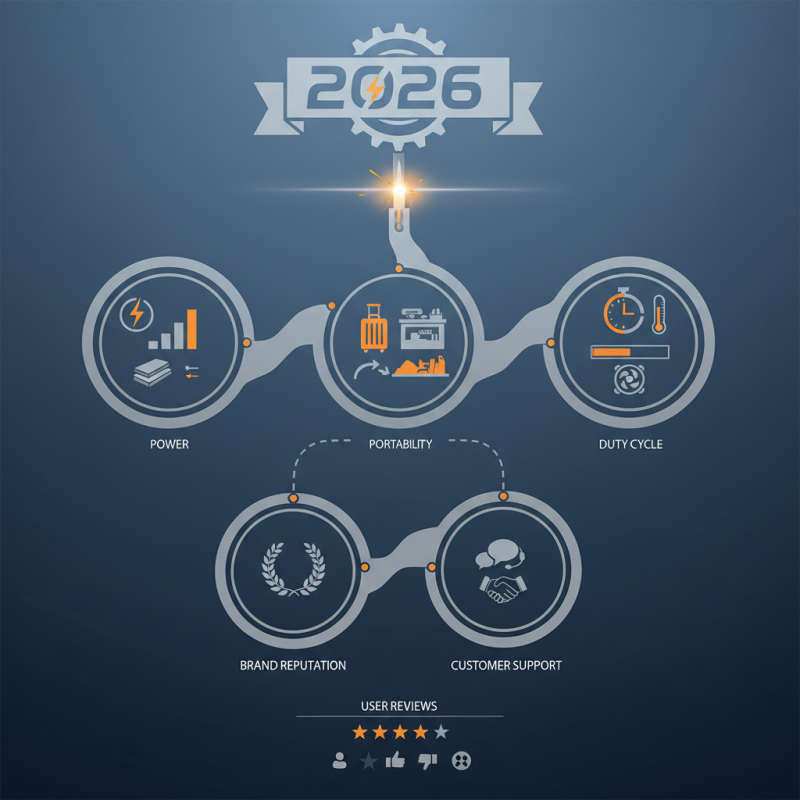
When evaluating different machines, consider their power, portability, and duty cycle. Each of these aspects plays a significant role in how well the machine will serve your needs. A machine that excels in one area may provide disappointing results in another.
Many new users underestimate the importance of brand reputation and customer support. Not every well-known brand guarantees the best performance. Conversely, a less recognized manufacturer may surprise you with its quality and reliability. A thorough evaluation of user reviews can provide insight into real-world performance and longevity.
Understanding Aluminum Welding: Types of Welders Available
When it comes to aluminum welding, understanding the types of welders available is crucial. The most common options are MIG (Metal Inert Gas) and TIG (Tungsten Inert Gas) welders. According to a report by the American Welding Society, around 70% of aluminum welding uses MIG due to its speed and ease of use. MIG welders are perfect for larger projects, making them a preferred choice in industrial settings.
On the other hand, TIG welders provide greater precision. They excel in thin materials, giving a clean finish without excessive spatter. Data indicates that TIG welding accounts for about 30% of aluminum welding jobs. This type requires more skill, making practice essential. The learning curve can be steep, but the results are often worth the effort. Some welders may struggle with heat control, leading to burn-through on lighter materials, which necessitates careful practice.
Moreover, there are specialized features to consider. Features like pulse welding can enhance control for thin sections. However, not all welders are equipped with this functionality. The choice often comes down to the specific application and the welder's skill level. An understanding of both MIG and TIG can guide both novice and experienced welders towards more informed decisions in their work.
Key Features to Consider When Choosing an Aluminum Welder Machine
When choosing an aluminum welder machine, several key features come into play. Consider the power output. A machine with adjustable amps can accommodate various thicknesses of aluminum. This flexibility ensures precise welding. Look for a unit with a capability to weld thin sheets without burn-through. It’s essential to monitor heat control carefully.
Another important aspect is the machine's duty cycle. A higher duty cycle means longer periods of operation. This feature is crucial for professional work and larger projects. Take note of the weight and portability, especially if you plan to move the welder frequently. Sometimes, lighter options may compromise performance.
Lastly, think about the ease of use. Some machines have intuitive controls, while others may require a learning curve. Before you invest, it’s vital to read user reviews and evaluate the common concerns. Not every welder will meet every expectation. Balancing budget constraints with functionality can lead to reflection on your specific needs. Keep these details in mind for a smarter decision.
Evaluating Welder Performance: Amperage, Duty Cycle, and Efficiency
When evaluating aluminum welder machines, performance factors like amperage, duty cycle, and efficiency are vital. Amperage indicates the power capacity of the welder. A higher amperage allows for thicker materials to be welded but can lead to more heat input, which isn’t always ideal. Finding the correct balance is essential; too much amperage may warp the aluminum.
The duty cycle is another crucial element. It measures how long the welder can operate within a ten-minute period before needing a break. A welder with a duty cycle can handle prolonged projects without overheating. Select a machine that suits your workload, as a low duty cycle can slow you down.
Efficiency is key as well; it reflects the energy use versus output. A machine that wastes energy may lead to increased costs over time.
It’s important to consider these factors holistically. Experience often reveals how specific projects may alter your needs. Sometimes, a lower-rated machine can perform exceptionally well in certain conditions. Reflecting on past projects can help pinpoint what truly matters in selecting the right welder. Adaptability can make a bigger difference than specifications alone.
Comparing Portability and Size for Your Aluminum Welding Needs
When selecting an aluminum welder, portability and size are crucial. A lighter machine can greatly enhance maneuverability. If you often work in tight spaces, consider a compact design. This will help you navigate around your workspace with ease. A smaller welder can fit into different locations, making it easier to carry and store.
However, smaller machines may sacrifice power and capability. It's essential to evaluate your specific welding projects. If you require high performance, a more robust model may be necessary. Consider how often you'll need to transport it versus the power you'll need for welding tasks. Balancing these factors can be challenging.
Think about where you’ll primarily use the welder. Is it at home, or do you frequently work on-site? This decision impacts the size you need. A heavier machine might offer more stability but can be cumbersome. Knowing your own workflow and environment is key to making an informed choice. The right aluminum welder should fit not just your projects but also your lifestyle.
2026 How to Choose the Best Aluminum Welder Machine? - Comparing Portability and Size for Your Aluminum Welding Needs
| Model | Weight (lbs) | Dimensions (inches) | Welding Capacity (inches) | Portability Rating (1-10) |
| Model A | 50 | 20 x 15 x 10 | 0.25 | 8 |
| Model B | 70 | 24 x 18 x 12 | 0.5 | 6 |
| Model C | 40 | 18 x 14 x 8 | 0.2 | 9 |
| Model D | 60 | 22 x 16 x 10 | 0.3 | 7 |
| Model E | 45 | 20 x 15 x 9 | 0.18 | 8 |
Budgeting for Your Aluminum Welder: Cost vs Features Analysis
When budgeting for an aluminum welder, it's crucial to analyze the cost versus features. Reports indicate that the average price range for a good aluminum welder varies between $300 to $2,500. Entry-level models can be found for around $300. However, they often compromise on features. Higher-end models may include additional functionalities, making them suitable for diverse applications.
One key feature to consider is duty cycle, which measures how long a welder can operate before needing a cooldown. Models with a 60% duty cycle are common. They cost approximately $1,200. A higher duty cycle means better productivity, but it also translates to a higher price. Users often overlook this aspect and end up frustrated when machines overheat.
Moreover, amperage ranges impact welding capabilities. For instance, welders offering 200 amps or more can handle thicker aluminum materials. These models typically cost upwards of $1,500. While it’s tempting to choose a lower-cost option, investing in the right features saves money in the long run. Understanding the balance between cost and necessary features leads to better buying decisions.