2026 How to Choose the Right Flow Control Valve for Your Needs?

In the industrial sector, selecting the right flow control valve is crucial for optimizing system performance. According to a report by MarketsandMarkets, the flow control valve market is projected to reach $12.2 billion by 2026, reflecting a significant demand across various applications. This growth highlights the importance of making informed choices in valve selection.

Flow control valves regulate the flow of fluids in numerous systems, including oil and gas, water treatment, and HVAC. Each application has specific requirements, and one size does not fit all. Understanding the parameters, such as pressure, temperature, and fluid type, is essential when choosing the right valve. However, many professionals struggle with these choices due to a lack of clear guidelines.

Furthermore, manufacturers often provide extensive options, which can lead to confusion. Evaluating performance data and understanding the technology behind each valve type ensures reliable operations. In a rapidly evolving industry, it's easy to overlook these details. Choosing the right flow control valve requires a balance of expertise, careful consideration, and sometimes, trial and error.
2026 How to Choose the Right Flow Control Valve for Your Needs?

Understanding Flow Control Valves: Types and Functions

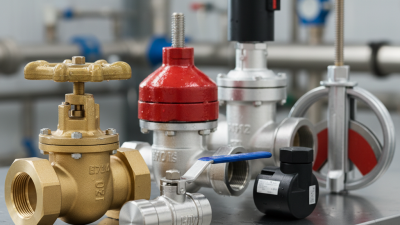
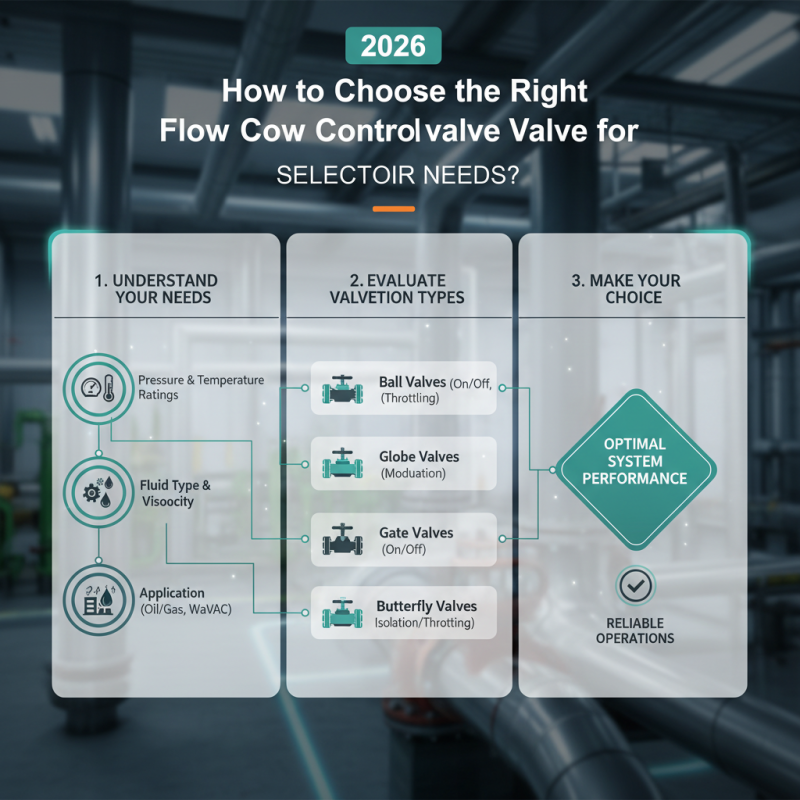
Flow control valves are essential components in fluid systems. They regulate the flow rate, pressure, and direction of liquids and gases. Understanding their types and functions can empower users to make better choices. There are three primary types of flow control valves: globe, ball, and gate valves. Globe valves excel in throttling flow due to their design. In contrast, ball valves offer one of the lowest pressure drops in fully open positions. Gate valves, while suitable for on/off applications, are less effective in flow regulation.

According to a recent industry report, the flow control valve market is expected to reach $10 billion by 2026, with a CAGR of 5% from 2021 to 2026. This growth highlights the increasing demand for efficient fluid management in various sectors, including oil and gas, water treatment, and manufacturing. Each industry may require different valve specifications, depending on the fluid's viscosity, temperature, and pressure. For instance, high-viscosity fluids may necessitate valves with larger orifices for effective flow control.

Choosing the right valve can be daunting. Knowledge of valve functionality is crucial. For instance, one may consider the response time needed for flow adjustments. A valve that acts slowly can lead to inefficiencies. Over time, a mismatch can cause wear and reduce system performance. Attention to these details is vital for selecting the most appropriate flow control valve.

2026 How to Choose the Right Flow Control Valve for Your Needs?

Valve Type Function Applications Advantages Disadvantages
Globe Valve Flow regulation Water supply systems Good for throttling Higher pressure drop
Ball Valve On/off control Oil and gas systems Minimal pressure loss Not suitable for flow regulation
Butterfly Valve Flow isolation HVAC systems Lightweight and compact Poor sealing ability
Check Valve Backflow prevention Pump systems Automatic operation Can create chattering
Solenoid Valve Electronic control of flow Automated processes Fast response time Dependent on electrical supply

Key Factors to Consider When Selecting a Flow Control Valve

When selecting a flow control valve, several key factors must be considered. The application and medium are paramount. Different industries use various fluids. For example, water, oil, and gases have unique requirements. According to a report by the Fluid Controls Institute, 40% of valve failures are due to incorrect selection based on the application. This emphasizes the necessity of understanding your specific needs before making a choice.

Another critical aspect is the valve type. Options range from globe valves to gate valves, each with distinct characteristics. The flow rate, pressure, and temperature ratings greatly affect performance. Data from the International Society of Automation notes that improperly rated valves can lead to inefficiencies, impacting system reliability. It's important to evaluate the system's demands and how they align with the valve's specifications.

Lastly, consider maintainability and lifecycle costs. A valve’s durability can influence repair frequency and overall expenses. Industry reports indicate that 25% of maintenance costs stem from unplanned downtime due to valve issues. Choosing a valve that balances initial investment and long-term reliability is vital. Reflecting on these factors will lead to a more informed decision. Understanding these elements can help avoid common pitfalls.

Flow Control Valve Selection Factors

This chart displays the key factors to consider when selecting a flow control valve and their corresponding importance levels. Material, pressure rating, and flow rate are the critical elements, as they greatly influence the valve's performance and suitability for specific applications.

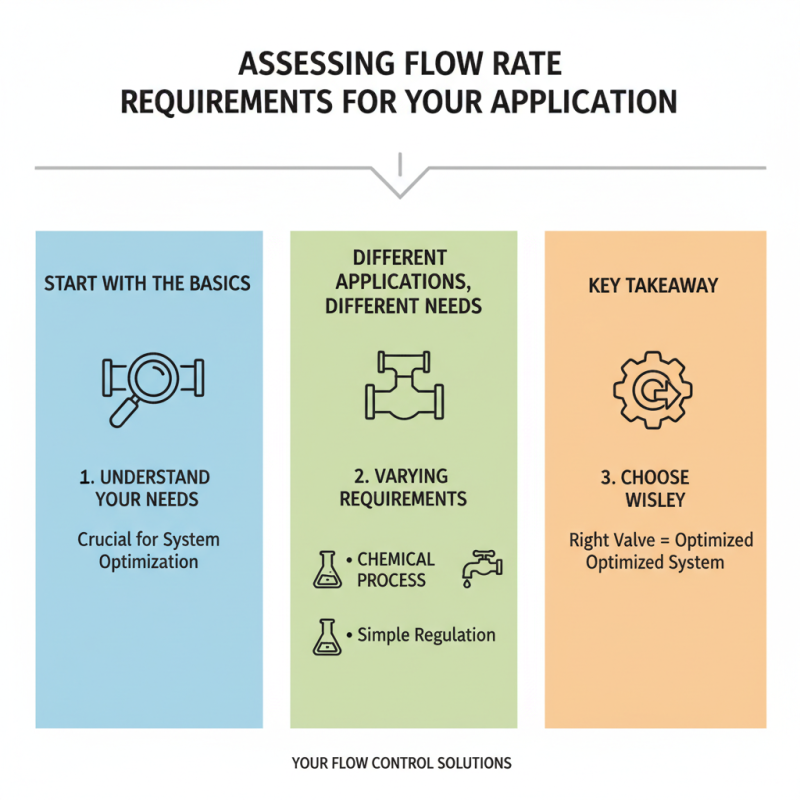
Assessing Flow Rate Requirements for Your Application

2026 How to Choose the Right Flow Control Valve for Your Needs?

Choosing the right flow control valve begins with understanding your flow rate requirements. This process is crucial for optimizing any system. Different applications necessitate varying flow rates. For instance, a chemical process may require precise control, while a water distribution system might focus on simple regulation.

Assess your system's needs thoroughly. Consider peak flow rates and average flow requirements. High variability in flow can lead to equipment failure. A valve selected without understanding these factors could cause significant operational inefficiencies. Even small discrepancies in flow rates can disrupt processes or lead to safety hazards.

Take time to experiment with flow measurements. Investing in proper testing can save costs later. Also, consult with experts who understand your industry specifics. Their insights may reveal potential pitfalls. A proper selection process involves trial and error. There's no one-size-fits-all solution. Collecting data will help refine your choices.

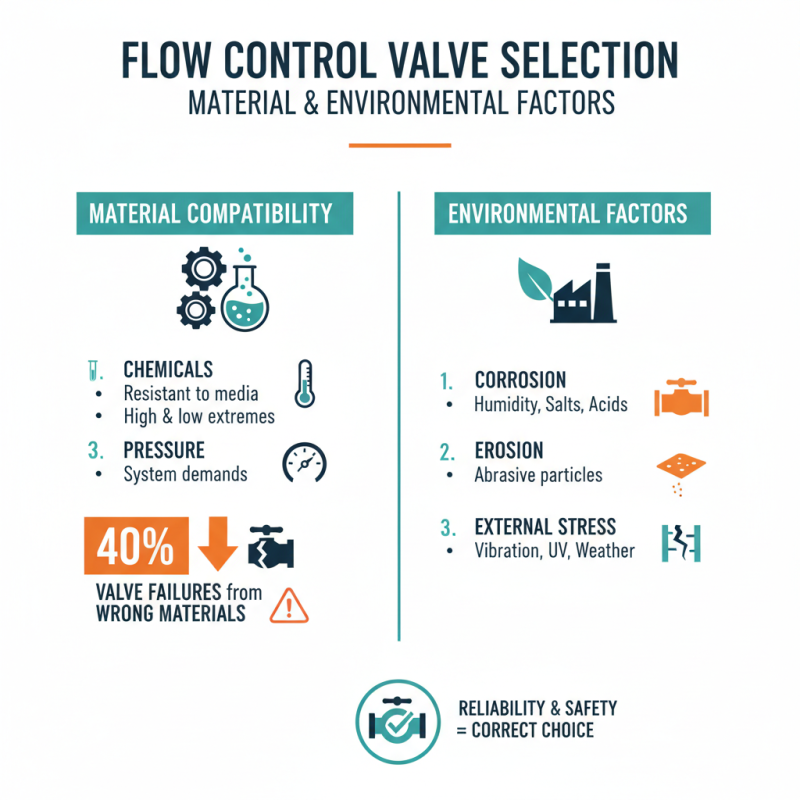
Material Compatibility and Environmental Considerations

2026 How to Choose the Right Flow Control Valve for Your Needs?

Selecting the right flow control valve involves careful consideration of material compatibility and environmental factors. Proper material selection is essential for ensuring that the valve can withstand the specific chemicals and temperatures it will encounter. Studies show that over 40% of valve failures result from incorrect material choices, which can lead to costly downtime and potential safety hazards.

Environmental considerations also play a significant role in valve selection. Factors such as temperature fluctuations, exposure to corrosive substances, and potential pressure changes can affect performance. For instance, valves used in offshore applications must resist saltwater and harsh weather. According to recent industry reports, approximately 30% of valves fail due to environmental stressors. This statistic underscores the need for thorough analysis.

In practice, material compatibility tests can reveal crucial insights. Testing against expected operating conditions can expose weaknesses in materials before deployment. Regular maintenance and monitoring are also important. Many industries overlook these aspects, leading to unexpected failures. Understanding the unique demands of your application is key to making informed choices.

Installation and Maintenance Guidelines for Flow Control Valves

When choosing flow control valves, installation and maintenance are crucial. A well-installed valve can optimize system performance. The American Society of Mechanical Engineers (ASME) suggests a proper alignment to prevent wear and leaks. Misalignment, even by a fraction, can lead to operational issues. Regular checks are essential to ensure that valves function correctly.

Maintenance practices significantly impact valve longevity. The Fluid Power Society observes that 60% of valve failures stem from improper maintenance. Periodic inspection of seals and actuators can detect wear before it escalates. It's vital to clean components regularly. This keeps the flow path clear and prevents degradation. Keeping an accurate log of maintenance activities also aids in troubleshooting.

Consider the environment where the valve operates. High temperatures or corrosive fluids can require additional protective measures. Using the right materials during installation reduces risks. Staying informed about industry standards enhances reliability. Even minor lapses in installation or upkeep can lead to costly setbacks. Addressing these factors gives you a stronger, more reliable flow control system.