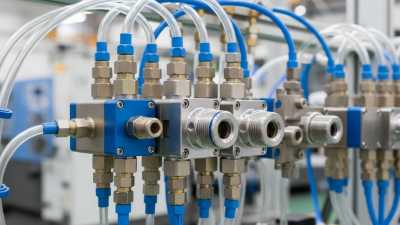
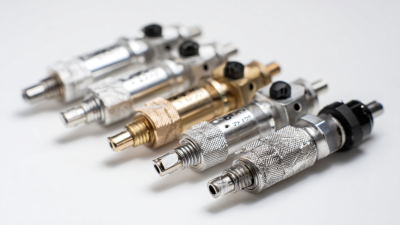
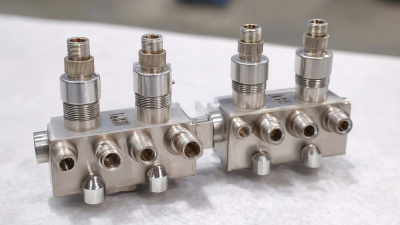
Top Industrial Pneumatic Valves Tips for Global Buyers?
In the realm of industrial automation, industrial pneumatic valves play a pivotal role. According to a recent report by MarketsandMarkets, the global pneumatic valves market is projected to reach USD 6.61 billion by 2026, growing at a CAGR of 5.2%. This growth highlights the increasing demand for efficient fluid control in various industries. As the manufacturing sector becomes more reliant on automation, understanding which pneumatic valve to choose becomes crucial for businesses.
These industrial pneumatic valves are essential for controlling the flow of gases and liquids in various applications. They offer advantages such as rapid response times and precise control. However, navigating the market can be challenging for global buyers. The sheer number of options available can lead to confusion. Many buyers often overlook critical factors that can affect performance, such as material compatibility and pressure ratings.
Additionally, there is a growing trend towards smart pneumatic systems. As technology evolves, buyers must adapt to these new advancements. Innovations like IoT-enabled valves are becoming more prominent. Yet, not all suppliers provide high-quality options. This raises concerns regarding reliability. Global buyers must thoroughly evaluate their potential suppliers before making a purchase decision.

Top Factors Influencing the Selection of Industrial Pneumatic Valves
When selecting industrial pneumatic valves, several critical factors come into play. One major aspect is the valve's application. Different industries have diverse needs, such as pressure, temperature, and flow rates. Consider specific requirements to ensure optimal performance. Some buyers overlook the relevance of end-use scenarios, leading to mismatched products.
Another important aspect is materials of construction. Valves can be made from various materials, such as stainless steel or plastic. The right choice depends on the fluid being controlled and environmental conditions. Corrosion resistance or temperature tolerance may be vital, yet many buyers fail to prioritize this factor.
Further, the valve's design and functionality should align with operational goals. Are you looking for quick response times or precise flow control? Some products may boast advanced features but complicate maintenance. Simplistic choices can sometimes yield better outcomes. Thus, buyers should thoroughly evaluate their operational needs and potential trade-offs with complex systems.
Understanding Different Types of Pneumatic Valves and Their Applications
Pneumatic valves play a crucial role in various industrial applications. Understanding the different types of these valves helps buyers make informed decisions. Common types include solenoid valves, throttle valves, and check valves. Each has specific functions and operational features. For instance, solenoid valves are often used for automated control. They provide quick and precise movements. Throttle valves, on the other hand, regulate airflow and are vital for controlling system pressure.
In choosing a pneumatic valve, consider the application requirements. Pressure ratings, size, and actuation methods affect performance. A check valve allows fluid flow in one direction, preventing backflow. These valves are essential in pneumatic systems to maintain efficiency. However, improper selection can lead to system failures. It is crucial to consult experts when making these choices.
Buyers should also explore material options. Corrosion resistance may be necessary for certain environments. Valves made from durable materials tend to have longer service lives. Yet, cost variations can complicate decisions. Balancing quality and budget is often challenging. Therefore, engaging with experienced vendors can provide valuable insights. Understanding these nuances aids global buyers in selecting the right pneumatic valves for their industrial needs.
Top Industrial Pneumatic Valves Tips for Global Buyers
| Valve Type |
Function |
Applications |
Advantages |
| Solenoid Valve |
Controls the flow of air into a pneumatic system |
Automation systems, medical devices |
Fast operation, accurate control |
| Butterfly Valve |
Regulates flow using a rotating disc |
Water treatment, HVAC systems |
Compact design, low pressure drop |
| Check Valve |
Prevents backflow in a system |
Pneumatic lines, chemical processing |
Ensures unidirectional flow, simple design |
| Locking Valve |
Holds pressure until released |
Cylinders, safety applications |
Provides safety and control |
Market Trends: Global Demand and Supply of Industrial Pneumatic Valves
The global market for industrial pneumatic valves is experiencing notable shifts. Demand is driven by the expansion of automation in various industries. This includes manufacturing, oil and gas, and water treatment sectors. The rise in smart technologies enhances the need for efficient valve systems. As industries aim for higher efficiency, the requirement for reliable pneumatic valves grows.
To navigate this evolving market, buyers should consider several essential factors. First, prioritize the evaluation of suppliers based on their expertise and reliability. Experience counts significantly in ensuring quality and performance. Look for suppliers with a proven track record in delivering durable products. It’s also crucial to assess the service support they provide. Quick response times and effective maintenance services can differentiate suppliers.
Understanding regional trends is crucial too. The demand in Asia is skyrocketing, driven by urbanization. Meanwhile, Europe focuses on sustainability, pushing for eco-friendly solutions. Buyers must stay updated on these trends. An informed decision can lead to better investments. Identifying the right partners is fundamental in securing long-term success in the pneumatic valve market.
Global Demand and Supply of Industrial Pneumatic Valves
Key Manufacturers and Their Innovations in Pneumatic Valve Technology
Pneumatic valves play a critical role in industrial automation, controlling airflow and ensuring efficient operation. The global pneumatic valve market is projected to reach approximately $7 billion by 2027, growing at a CAGR of 4.5%. This indicates a robust demand for innovative solutions in fluid control technologies.
Key manufacturers are focusing on advancements to improve reliability and performance. Many companies are integrating smart technology into their pneumatic valves. This allows for real-time monitoring, predictive maintenance, and enhanced operational efficiency. Reports indicate that automation in fluid systems leads to a 25% reduction in downtime. However, not all innovations deliver on their promises, and buyers need to remain skeptical about claims.
When evaluating choices, buyers should consider the material quality and environmental resilience of these products. Identifying suppliers with a strong track record in durability tests can prevent operational failures. There are cases where newer technologies fail in extreme conditions. Understanding these challenges helps ensure operational reliability and trustworthiness in supply chains.
Best Practices for Evaluating Pneumatic Valve Quality and Performance
When evaluating pneumatic valve quality and performance, several best practices should be considered. First, understanding the materials used in manufacturing pneumatic valves is crucial. According to a recent industry report, over 70% of valve failures relate to material degradation. Therefore, assess the compatibility of the materials with the specific gases and fluids they will handle. This can prevent premature failure and costly downtime.
Review performance metrics such as pressure ratings and flow coefficients. Data indicates that valves with higher flow coefficients generally perform better in industrial applications. Additionally, consider the valve's response time and actuation method. Accurate, responsive valves can significantly enhance system efficiency.
Look for certifications and standards compliance. Valves that meet international standards, such as ISO and ANSI, demonstrate reliability. It's essential to scrutinize the manufacturer's reputation in the industry. Reliability is often tied to consistent quality control measures and customer feedback. Engaging with industry-specific communities can provide insights into performance and durability.
Monitoring trends in pneumatic valve technology is also important. For instance, integrating smart technology for real-time monitoring can enhance performance insights. However, keep in mind that not all innovations translate to immediate benefits. Understanding the specific needs of your application is vital before adopting new technologies.