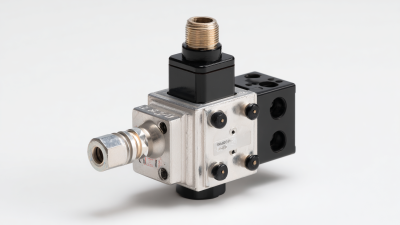
What Are Industrial Solenoid Valves and How Do They Work?
In the realm of industrial automation, industrial solenoid valves play a crucial role. These valves control the flow of liquids and gases. According to a recent report by Research and Markets, the solenoid valve market is expected to grow significantly, reaching $4.2 billion by 2026. This growth is driven by increased demand in sectors like oil and gas, chemicals, and pharmaceuticals.
John Smith, an expert in the automation industry, states, “Industrial solenoid valves are essential for improving efficiency and safety in various applications.” His insight highlights the importance of these valves in maintaining control and precision. However, challenges remain. Many businesses still struggle with choosing the right valve for their specific needs.
While industrial solenoid valves are efficient, issues like overheating and wear can reduce their lifespan. Companies must consider factors like installation and maintenance. Overall, understanding how these valves work is vital for maximizing their benefits. Proper selection and care can lead to long-term gains for industries relying on these components.
Definition and Functionality of Industrial Solenoid Valves
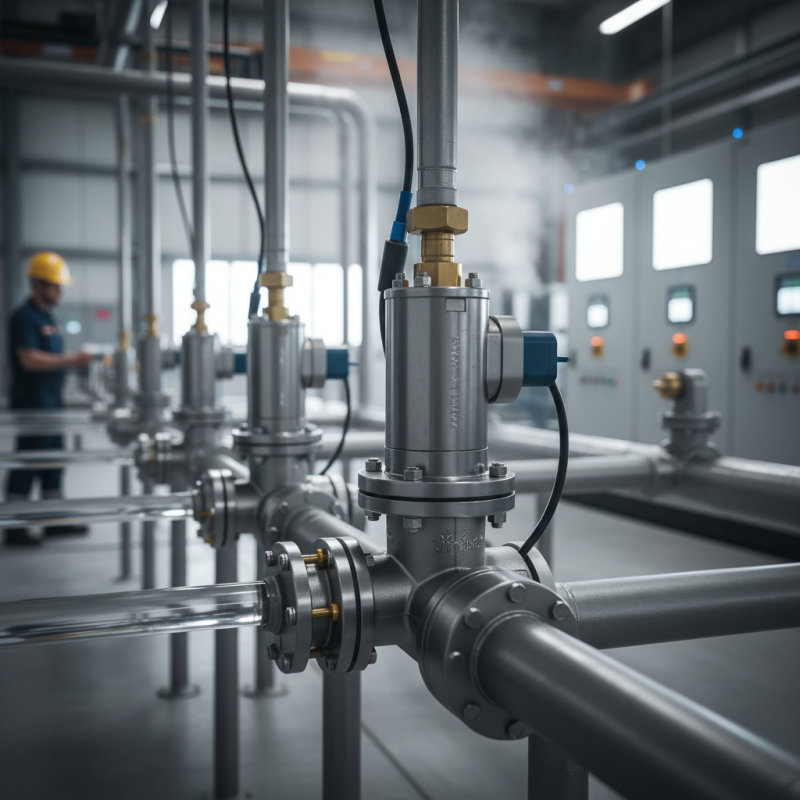
Industrial solenoid valves are crucial components in various automation systems. They convert electrical energy into mechanical motion. This process opens or closes the valve, controlling fluid flow in applications like manufacturing and HVAC systems. According to a 2022 report by Research and Markets, the global solenoid valve market is expected to grow at a CAGR of around 4.5% through 2026. This growth signifies increased reliance on automation across industries.
These valves come in different types: normally closed, normally open, and others. Each type serves specific functions. For example, normally closed valves stop fluid flow when de-energized. They find applications in gas and liquid systems. However, improper selection may lead to inefficiencies. A misaligned solenoid can cause leaks or excessive wear.
**Tips:** Always consider the medium being controlled. Different fluids and gases require specific materials. Compatibility is key.
Maintenance is essential to ensure longevity. Regularly check for wear and tear. Dust and debris can hinder performance. Keep the area around the valve clean. It's a small effort that yields great results.
Types of Industrial Solenoid Valves and Their Applications
Industrial solenoid valves play a key role in various applications. There are different types, each serving unique needs. The most common types include direct-acting, pilot-operated, and two-way or three-way valves. Each type has its own mechanism and use cases. For instance, pilot-operated valves are suitable for high-pressure systems. Direct-acting valves, however, are more compact and operate on lower pressures.
Applications of these valves span several industries. In automation, solenoid valves control pneumatic and hydraulic systems. In the water treatment industry, these valves aid in flow regulation. According to a recent market report, the global solenoid valve market is expected to grow at a CAGR of 7% by 2025. This growth highlights their increasing importance in industrial processes. Yet, even with advancements, challenges remain. Regular maintenance is crucial to prevent failure. Inadequate maintenance often leads to leaks or inefficient operations. This underlines the need for awareness and proper care among users.
Components of Industrial Solenoid Valves and Their Roles
Industrial solenoid valves play a crucial role in various systems. They consist of several key components. Understanding these parts is essential for effective use and maintenance.
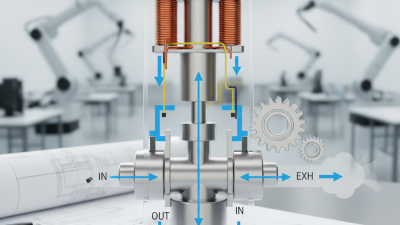
The solenoid coil is the heart of the valve. It generates a magnetic field when energized, moving the plunger. This action opens or closes the valve. The plunger itself is typically made from ferromagnetic materials. It must fit perfectly to ensure a tight seal. A small spring often aids in returning the plunger to its original position. Without the spring, the valve may not function correctly.
Another important part is the valve body. It holds the entire assembly together. The material of the body must withstand the operating pressure and temperature. Many valves feature ports that connect to pipes, allowing fluid flow. However, leaks can occur if the seals are worn. Regular inspection can identify potential wear, preventing larger issues. The components must work in harmony for optimal performance. Any malfunction in one part can affect the entire system.
What Are Industrial Solenoid Valves and How Do They Work? - Components of Industrial Solenoid Valves and Their Roles
| Component |
Description |
Role in Operation |
Material |
| Solenoid Coil |
An electromagnetic coil that activates the valve. |
Generates a magnetic field when energized, enabling valve operation. |
Copper or Aluminum |
| Plunger |
A movable part that opens or closes the valve. |
Moves in response to the coil's magnetic field to control flow. |
Stainless Steel or Brass |
| Spring |
A mechanical device that returns the plunger to its original position. |
Ensures the valve closes when the coil is de-energized. |
Carbon Steel or Stainless Steel |
| Body |
The main structure of the valve that houses its components. |
Provides a space for fluid flow and contains internal parts. |
Plastic, Brass, or Stainless Steel |
| Seals |
Gaskets that prevent leakage of fluids. |
Maintain fluid integrity by sealing joints within the valve. |
Rubber or PTFE |
The Working Principle of Solenoid Valves in Fluid Control
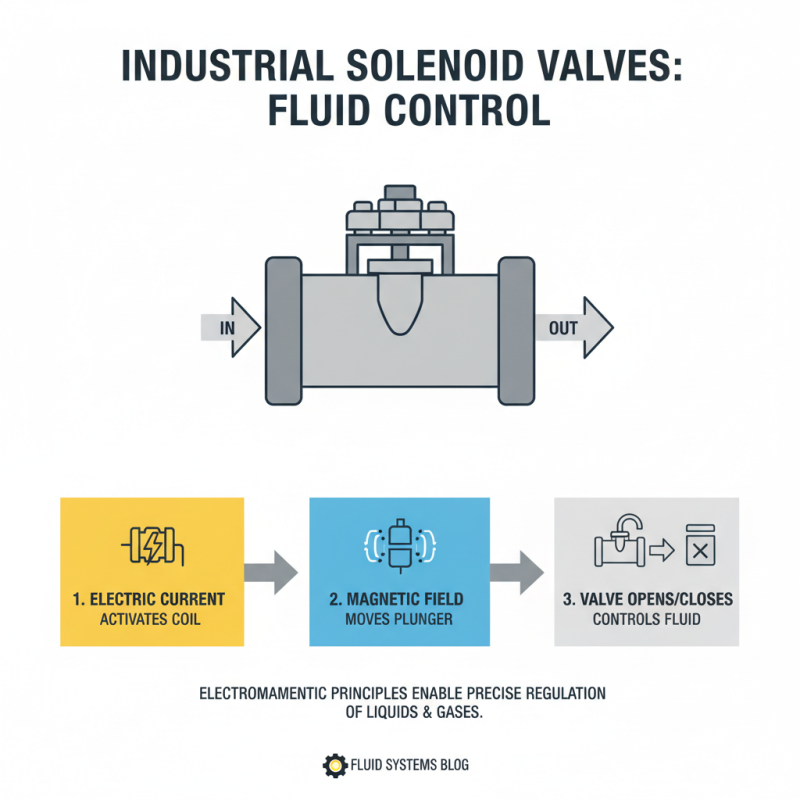
Industrial solenoid valves play a crucial role in fluid control systems. They operate using electromagnetic principles to manage the flow of liquids and gases. Essentially, when electric current passes through a coil, it generates a magnetic field. This field then actuates a plunger, opening or closing the valve. The result is a seamless control of fluid movement.
These valves are designed for various applications, such as HVAC systems, irrigation, and manufacturing. It’s fascinating how a simple electric impulse can influence large-scale operations. However, challenges can arise. For instance, if there’s a power failure, the valve may remain stuck, disrupting processes. Regular maintenance checks can prevent such issues but often get overlooked.
In some cases, fluid quality might affect valve performance. Contaminants can lead to malfunctioning. Operators need to be attentive. A minor oversight can cause significant system failures. Understanding these dynamics is vital. Industrial solenoid valves represent both innovation and complexity in fluid management.
Advantages and Limitations of Using Industrial Solenoid Valves
Industrial solenoid valves are essential components in various automation systems. They help control fluid flow through pipelines. However, using these valves presents both advantages and limitations.
One significant advantage is their fast response time. These valves can open or close rapidly, which enhances system efficiency. They also help save energy by minimizing leaks and allowing precise control of fluid movement. This is particularly valuable in manufacturing and processing industries. Cost-effectiveness is another benefit, as they often require less maintenance. Many operators appreciate this feature since it can reduce operational downtime.
On the downside, solenoid valves may face issues with high temperatures or pressures. They are not suitable for every environment. Inconsistent performance can arise without proper installation. Additionally, their reliance on electrical power can be a disadvantage. If the power fails, the valve may not function, causing operational interruptions. Users need to be mindful of these factors when considering solenoid valves for their systems.
Industrial Solenoid Valves Advantages and Limitations
This chart illustrates the advantages and limitations of using industrial solenoid valves. There are 7 identified advantages compared to 3 limitations, indicating a generally favorable view of their use in industrial applications.