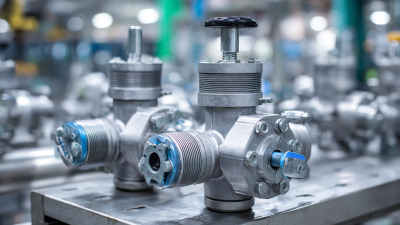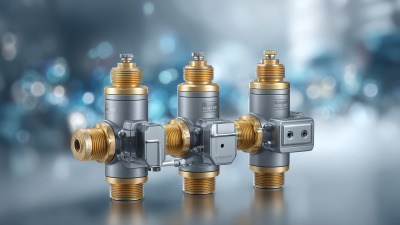
In various industrial sectors, liquid flow control valves play a crucial role. These devices regulate the flow of liquids, ensuring systems operate efficiently. Their significance can’t be overstated, as improper flow can lead to failures and inefficiencies.
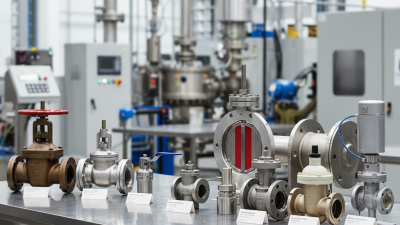
Liquid flow control valves come in different types, each designed for specific applications. From simple on-off valves to complex modulating ones, the choices can be overwhelming. Understanding their unique features and applications is essential for optimal use.
Choosing the right valve requires careful consideration. Factors include the type of liquid, pressure, and temperature. Each application might demand a different specification. A mismatch can result in performance issues. Exploring these details is vital for anyone involved in fluid management.
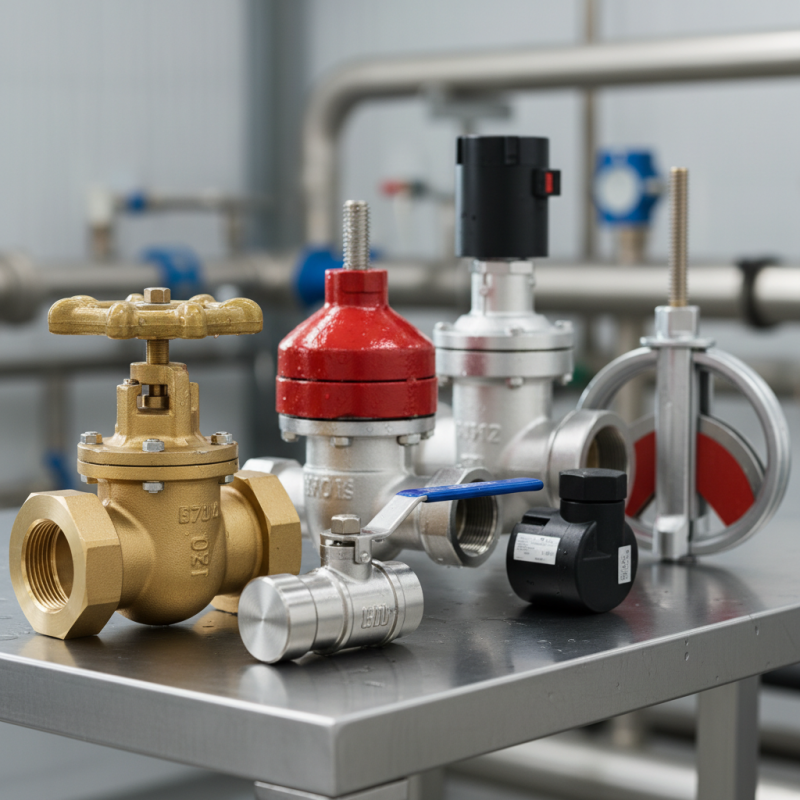
Liquid flow control valves are crucial in various industries. They manage the flow rate and pressure of liquids efficiently. A wide variety of valve types exists, each tailored to specific applications.
Butterfly valves, for instance, are often used in large pipelines. They offer quick shut-off and can handle high volumes. On the other hand, globe valves are better for throttling flow. Their design allows for finer control of liquid passage. This makes them ideal for systems requiring precise flow management.
However, choosing the right valve can be complex. Factors like fluid characteristics, pressure conditions, and temperature must be considered. It's essential to assess each requirement carefully. Overlooking details might lead to inefficiencies or even failure in system performance. Understanding these elements improves decision-making.
| Valve Type | Description | Applications | Advantages |
|---|---|---|---|
| Ball Valve | Offers good flow control with minimal pressure drop. | Water supply, gas distribution, and chemical processing. | Quick operation, reliable sealing, and durability. |
| Globe Valve | Provides precise flow control and regulation. | Flow regulation in heating, ventilating, and air conditioning systems. | Excellent throttling capabilities and simple construction. |
| Check Valve | Prevents backflow in piping systems. | Pumps, compressors, and other flow systems. | Automatic operation, reduced risk of backflow, and wear. |
| Butterfly Valve | Allows for quick shut-off and flow regulation. | Water treatment, fire protection, and HVAC systems. | Lightweight, low pressure drop, and minimal space requirements. |
| Diaphragm Valve | Uses a flexible diaphragm to permit flow control. | Pharmaceuticals, food processing, and wastewater management. | Excellent for saturated steam and corrosive fluids handling. |
Liquid flow control valves play a crucial role in various industries, facilitating precise fluid regulation. There are several common types of these valves, each designed for specific applications. For example, globe valves are widely used for throttling and flow regulation. Their design allows for smooth operation and resistance to flow changes. According to a market report from MarketsandMarkets, the global valve market is projected to reach $100 billion by 2027, reflecting the growing demand for efficient fluid handling solutions.
Another type is the ball valve, known for its quick shut-off capabilities. Ball valves are ideal for applications where rapid flow control is essential. They have a robust structure that ensures reliability, even under high pressure. A recent study indicated that ball valves account for nearly 25% of the total industrial valve market. This highlights their popularity and effectiveness across various sectors, including oil and gas and water treatment.
Additionally, butterfly valves are recognized for their lightweight design and cost-effectiveness. These valves are often used in large volume applications. However, it's essential to address potential challenges. Butterfly valves may not provide the same level of sealing as globe or ball valves. Users must consider this when selecting a valve for critical applications. Understanding the unique features and limitations of each type of liquid flow control valve is vital for ensuring optimal performance in any system.
Flow control valves play a crucial role in various industries. Their primary function is to regulate the flow rate of liquids within a system. These valves can adjust based on pressure, temperature, and chemical composition. According to a market report by ResearchAndMarkets, the flow control valve market is projected to grow at a compound annual growth rate (CAGR) of 5.2% from 2022 to 2027.
Each type of flow control valve operates on distinct principles. For instance, globe valves allow for precise flow adjustment by changing the position of a movable disk. This design enables better throttling abilities. In contrast, ball valves provide quick on-off control, making them ideal for applications that require fast responses. The American Society of Mechanical Engineers (ASME) states that incorrect valve selection can lead to operational inefficiencies and increased costs over time.
In addition to basic functions, advanced flow control valves include features like flow measurement and feedback mechanisms. These enhancements improve automation in processes. However, many users often underestimate the importance of regular maintenance. Failure to maintain these valves can disrupt operations and lead to safety hazards. Up to 30% of industrial failures relate to valve issues, highlighting the need for improved vigilance in valve management.
Liquid flow control valves play a crucial role in various industries. They regulate the flow of liquids, ensuring processes run smoothly and efficiently. In the chemical industry, these valves manage corrosive fluids. Accurate control prevents spills that could lead to significant losses or hazards. Additionally, in water treatment plants, flow control valves help maintain the right pressure, ensuring clean water delivery.
The food and beverage sector also relies heavily on these valves. They ensure consistent flow rates during production. Precision is key, as any variation can affect product quality. However, it’s important to recognize that choosing the wrong valve type can lead to inefficiencies. A valve not suited for specific liquids may result in contamination. Regular maintenance is essential to keep these systems running effectively, avoiding costly downtimes.
In the pharmaceutical field, flow control valves must meet stringent regulations. They are used to transport sensitive liquids without compromising integrity. Any obstacle in flow can impact drug production timelines. While the technology exists, many facilities may not implement it properly. Understanding the specific requirements is vital for compliance and safety.
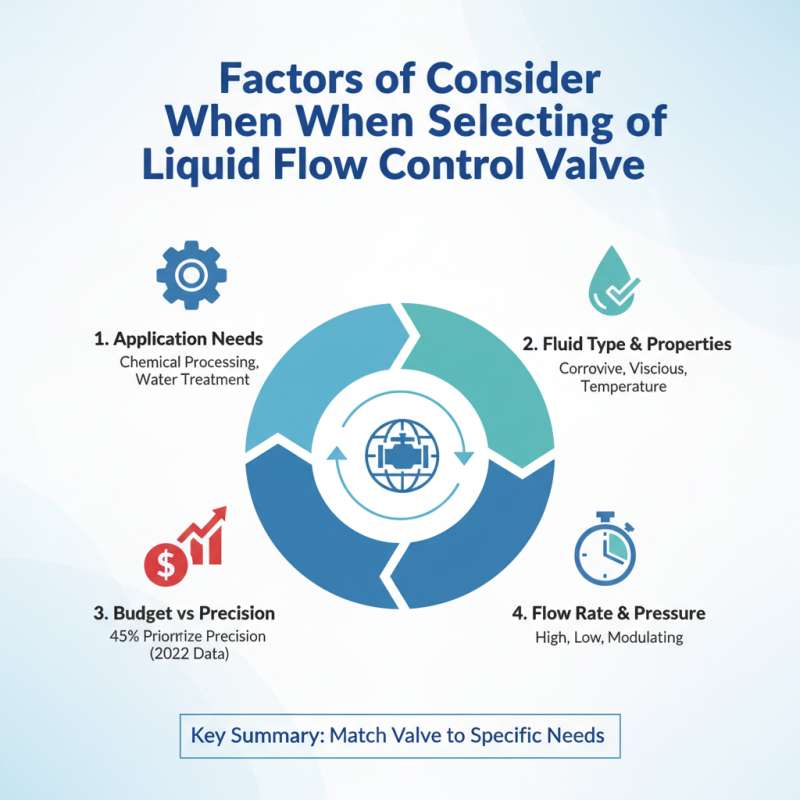
When selecting a liquid flow control valve, several factors play a crucial role. The application needs should be identified first. Different industries, such as chemical processing or water treatment, have unique requirements. According to a 2022 market analysis, 45% of industries prioritize precision over cost in valve selection. This emphasizes the importance of understanding your specific needs.
Valve material is another critical consideration. Corrosion resistance is vital for liquids with high acidity or alkalinity. Reports show that valves made from stainless steel or specialized plastics last longer in these conditions. Additionally, the size of the valve must match the flow rate and pressure requirements of the system. If the valve is incorrectly sized, it can lead to inefficiency. Up to 30% of valve failures are linked to improper sizing, impacting overall system reliability.
Control mechanisms are also essential. Manual valves may suffice for simple applications, while automated valves offer better control for complex systems. Automation increases efficiency and reduces human error. According to a recent study, automated valves can enhance flow accuracy by 25%, making them more favorable in critical applications. Each factor contributes to the overall functionality, yet the balance between performance, cost, and longevity remains a delicate decision process.