
Passivating Stainless Steel is a critical process in the metalworking industry. It enhances the corrosion resistance of stainless steel surfaces by forming a protective layer of chromium oxide. According to the International Stainless Steel Forum, around 70% of stainless steel applications benefit from passivation. This treatment is essential for industries such as pharmaceuticals and food processing, where hygiene and durability are paramount.
The effectiveness of passivation can vary based on the stainless steel alloy and the specific passivation method used. A study by the American Society for Testing and Materials (ASTM) indicated that 40% of stainless steel failures stem from inadequate passivation. Quality control measures must be rigorously implemented to avoid such risks. Disregarding passivation can lead to costly maintenance and replacements.
Understanding the science behind passivating stainless steel is vital for manufacturers. Operators often overlook this step, sometimes due to a lack of awareness. Implementing best practices can significantly mitigate these oversights. By investing in proper passivation techniques, companies can ensure a longer lifespan for their products and maintain their reputation for quality.
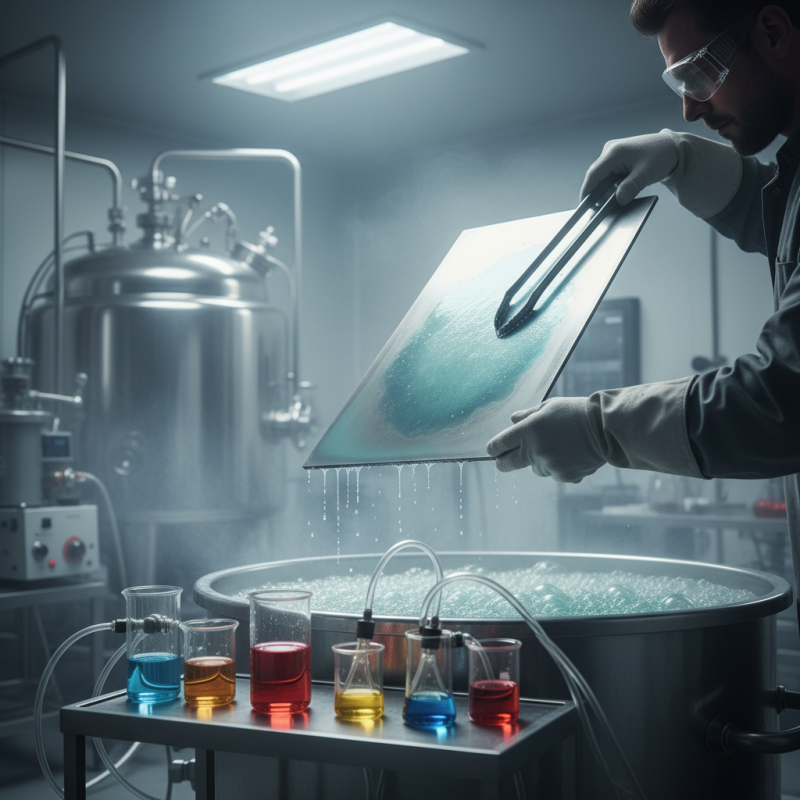
Passivation in stainless steel refers to a chemical treatment process that enhances corrosion resistance. This process involves the removal of free iron from the surface of the stainless steel. When completed, a thin, protective oxide layer is formed. This layer is crucial because it helps to prevent rust and other forms of corrosion.
A common method for passivation includes using citric acid or nitric acid solutions. These chemicals effectively clean the metal's surface and promote the formation of a robust oxide layer. It's essential to have controlled conditions. Factors like temperature and concentration significantly influence the outcome. If the process is improperly executed, the protection may not be adequate, leading to corrosion over time.
Understanding passivation is vital in industries like construction, food processing, and medical devices. While the process appears straightforward, each application may require tailored approaches. Overlooking specific details can lead to reliability issues. Ensuring thorough knowledge of the materials and the environment they will endure is necessary for effective passivation.
Passivation
is a crucial process that enhances the corrosion resistance of stainless steel. At its core, it involves treating metal surfaces using chemicals. The goal is to create a protective oxide layer. This layer is key to preventing rust and other forms of degradation. The process primarily uses acids to remove free iron from the surface. It also cleans contaminants that could compromise integrity.
During passivation, the stainless steel is often submerged in a solution containing citric or nitric acid. This step is significant. It not only cleans but prepares the surface for oxide formation. A well-passivated surface exhibits a uniform and consistent oxide layer. However, even minor imperfections can affect performance. One must carefully control the acid concentration and time of exposure. Too much acid can damage the substrate rather than protect it.
Achieving optimal passivation requires precision and experience. Factors like surface finish and existing contamination levels also play roles. Some may overlook these details. This oversight can lead to inconsistent results. Understanding the chemical reactions at play is essential for effective passivation.
Knowledge of these processes ensures that stainless steel applications perform reliably in demanding environments.
Passivating stainless steel is a crucial process designed to improve its resistance to corrosion. This method involves treating the metal to form a thin oxide layer on the surface. This layer acts as a protective barrier against environmental factors like moisture and pollutants. Without passivation, stainless steel can develop rust or corrosion over time, even if it's initially stainless.
One of the significant benefits of passivating stainless steel is enhanced longevity. By preventing surface contamination, passivation extends the lifespan of products made from stainless steel. This process can lead to reduced maintenance costs and less frequent replacements. Additionally, passivated surfaces are easier to clean and maintain, allowing for a more attractive appearance in various applications, from kitchen appliances to architectural designs.
However, passivation is not a one-size-fits-all solution. The process can vary based on the type of stainless steel and the environment it will be used in. Factors like acidity and the presence of chlorides can impact the effectiveness of passivation. Therefore, evaluating the specific needs of the stainless steel application is essential. Understanding these variables can lead to more reliable and efficient use of passivated stainless steel in real-world scenarios.
Passivated stainless steel has become a crucial material in various industries. Its enhanced corrosion resistance makes it ideal for environments exposed to harsh conditions. Common applications include food processing, pharmaceuticals, and marine engineering. In these sectors, the material’s ability to resist rust and staining is essential. For instance, a report from the National Institute of Standards and Technology (NIST) highlights that passivated stainless steel can reduce corrosion rates by up to 90% compared to untreated steel.
In the food processing industry, the use of passivated stainless steel ensures hygiene and safety. The smooth surface prevents bacterial growth, complying with health regulations. Additionally, in pharmaceutical manufacturing, this material is vital for maintaining the integrity of medications. A study shown by the American Society of Mechanical Engineers (ASME) indicates that equipment made from passivated stainless steel stays contamination-free longer than alternatives.
Marine engineering also benefits significantly from passivated stainless steel. boats and platforms experience high exposure to saltwater. The passivation process helps protect these structures from pitting and crevice corrosion. However, the challenge remains in ensuring consistent quality during the passivation process. Variations in application techniques can lead to inconsistent results. Improving these methods is critical to maximizing the benefits of this advanced material.
Passivation is a crucial process for stainless steel, enhancing its corrosion resistance. Several factors can influence its effectiveness. The surface condition of the steel plays a significant role. Scratches, contaminants, and previous treatments can affect how well the passivation layer forms. Even minor surface imperfections can lead to vulnerabilities.
The passivation solution's composition is another critical factor. It typically contains acids that help remove iron particles. A higher concentration may improve the removal of contaminants, but it can also risk damaging the stainless steel if not monitored properly. Temperature and time also matter. A longer duration in the solution at high temperatures might be beneficial. However, this aligns with increased risk of altering the steel’s properties.
Another point to consider is the environment post-passivation. High humidity or exposure to certain chemicals can weaken the protective layer. Regular maintenance and inspection are essential. Each of these elements requires careful balance. Mistakes in the process can detract from the ultimate purpose of improving durability and safety. Understanding these factors can lead to better outcomes in stainless steel applications.