What is a Robotic Coffee Kiosk and How Does it Work?
The Robotic Coffee Kiosk represents a groundbreaking intersection of technology and daily convenience. Imagine a machine programmed to brew your favorite coffee, delivering it in mere minutes. This innovative solution is not just about quick service; it signifies a shift in how we interact with food and beverage establishments.
In recent years, the rise of automation has brought robotic kiosks to the forefront of consumer experiences. These kiosks can replicate barista skills, often achieving remarkable consistency in taste. However, the journey towards perfect coffee through robotics is still evolving. User interactions sometimes reveal quirks in the machine’s operation, sparking thoughts on the balance between technology and the human touch.
While a Robotic Coffee Kiosk offers efficiency, it also raises questions. Can a machine truly grasp the nuances of coffee preferences? Are people ready to embrace this shift fully? Such considerations remind us that technology, while powerful, is not flawless. The future of coffee service may depend on finding harmony between automation and the carefully crafted art of coffee making.
Understanding the Concept of a Robotic Coffee Kiosk
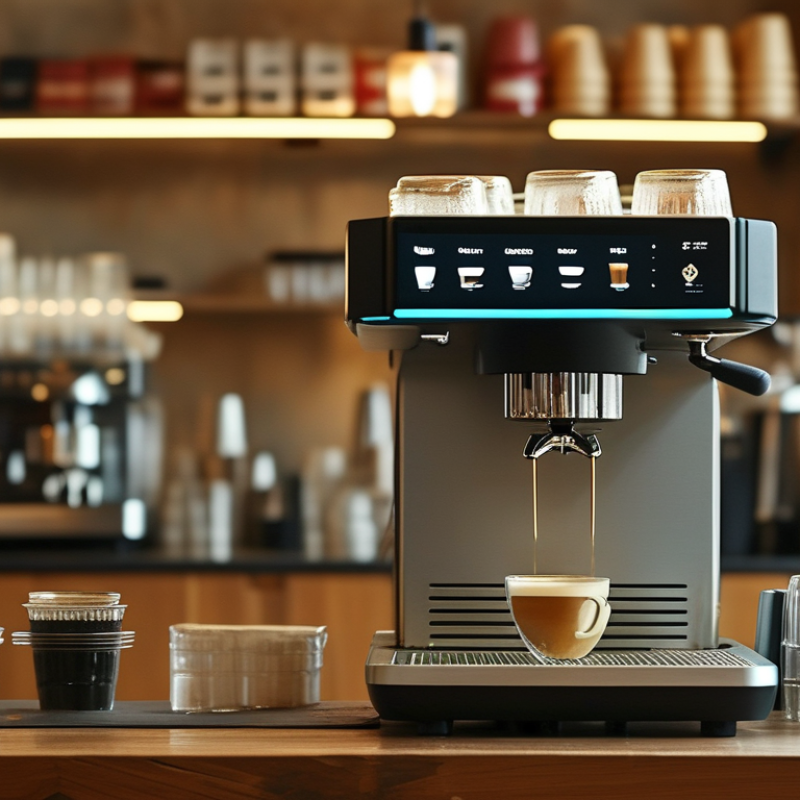
A robotic coffee kiosk represents an innovative intersection of technology and caffeine culture. These automated stations operate independently, serving delicious coffee to customers without the need for baristas. Equipped with state-of-the-art machines, these kiosks can prepare a variety of drinks. Customers simply place their order on a touchscreen and watch as their beverage is crafted from freshly ground beans.
The mechanics behind a robotic coffee kiosk are fascinating yet complex. Sensors gauge ingredient levels and adjust brewing parameters automatically. While the process is efficient, it’s not without its quirks. Customers sometimes find their preferred drink unavailable due to ingredient shortages. Furthermore, machines may require periodic maintenance, impacting service reliability. Despite these challenges, many users appreciate the novelty and convenience of quick coffee access.
Understanding the concept of a robotic coffee kiosk means appreciating both its benefits and limitations. Technology streamlines service, but it also raises questions about the future of human employment in the coffee industry. Can machines replicate the personal touch that baristas bring? As the industry evolves, this balance between efficiency and personalization becomes a topic for discussion.
Key Components of a Robotic Coffee Kiosk System
Robotic coffee kiosks are transforming the way we enjoy our daily brew. These automated systems combine advanced technology with user-friendly interfaces. A typical robotic coffee kiosk relies on several key components that ensure efficiency and quality.
One essential element is the coffee brewing mechanism. This automated brewing system must maintain precise temperature and timing. Studies show that brewing at the right temperature increases flavor extraction by 20%. Another crucial component is the payment system. Contactless payments are a must in today’s market, with 75% of consumers preferring them for convenience. The kiosks often include touchscreens, allowing users to customize their orders effortlessly.
The integration of sensors further enhances the user experience. These sensors monitor ingredient levels and machine performance. Regular maintenance alerts can extend the kiosk's lifespan significantly. However, challenges persist in balancing automation with personalization. Some users may still prefer human interaction over a machine. This gap requires ongoing research to improve the balance between tech and human connection, ensuring these kiosks meet diverse customer needs.
How Robotic Coffee Kiosks Prepare Coffee: A Step-by-Step Process
Robotic coffee kiosks are reshaping the way we enjoy coffee. An automated system streamlined for convenience and speed is attracting attention. These kiosks operate using various technologies, such as robotic arms and AI algorithms. They prepare coffee through a precise, step-by-step process.
First, users select their brew via a touchscreen interface. The kiosk then grinds fresh coffee beans, ensuring optimal flavor extraction. Recent studies indicate that freshly ground coffee can enhance taste by up to 30%. After grinding, it doses the coffee accurately before brewing. This method minimizes waste and maximizes consistency in each cup.
As espresso is brewed, the system heats water to the ideal temperature. A key finding from industry reports suggests that the water temperature must be between 90-96 degrees Celsius for the best extraction. Once brewed, the coffee is dispensed into a clean cup, often with customizable options for milk and sugar. Despite their efficiency, these kiosks face challenges. User preferences can sometimes lead to variability in taste. Therefore, ongoing adjustments and improvements are vital for maintaining quality.
Advantages of Using Robotic Coffee Kiosks in Modern Cafés
Robotic coffee kiosks are changing how cafés serve customers. These automated machines brew coffee quickly and efficiently. According to a recent industry report, 75% of consumers appreciate the convenience these kiosks offer. With reduced wait times, customers can enjoy high-quality beverages with minimal fuss.
One significant advantage of robotic coffee kiosks is the ability to operate continuously. They are available 24/7, catering to customers' varying schedules. A study published in the Journal of Automated Food Services found that robotic kiosks can increase sales by up to 30%. This increase occurs during peak hours when traditional staff may be overwhelmed. Customers value the speed and consistent quality.
However, challenges exist. Not all customers respond positively to automated service. Some prefer personal interaction with baristas. Increased reliance on machines may lead to a loss of human touch in cafés. Balancing automation and personalized service remains an essential aspect for café operators. The integration of technology must be thoughtfully managed as consumer preferences evolve.
What is a Robotic Coffee Kiosk and How Does it Work? - Advantages of Using Robotic Coffee Kiosks in Modern Cafés
| Feature | Description | Advantages |
| Automation | Robotic systems automate the brewing process, reducing human error. | Increased consistency in coffee quality. |
| Speed of Service | Fast preparation and serving time for customers. | Reduces wait times during peak hours. |
| Cost Efficiency | Lower labor costs due to reduced need for baristas. | Potentially higher profit margins. |
| Customization | Customers can choose from a variety of options and specifications. | Enhances customer satisfaction through personalized beverages. |
| Data Collection | Kiosks can gather data on customer preferences and sales trends. | Informs better business decisions and product offerings. |
| Space Efficiency | Compact design allows for installation in various locations. | Maximizes space usage in small cafés and venues. |
Future Trends: The Evolution of Robotic Coffee Kiosks in the Market
The rise of robotic coffee kiosks is rapidly changing the landscape of the coffee industry. According to a recent report by MarketsandMarkets, the global market for robotic coffee kiosks is projected to grow from $500 million in 2023 to over $1.5 billion by 2028. This significant growth reflects a growing consumer demand for convenience and efficiency in their coffee experience. Robotic kiosks are not just offering coffee; they represent a sophisticated integration of technology, which appeals to tech-savvy consumers in urban areas.
Today's robotic coffee systems can brew a perfect cup in under a minute, utilizing advanced sensors and AI algorithms. They often learn customer preferences, allowing for personalized service that traditional baristas cannot provide. However, this evolution does bring challenges. Market reports indicate that acceptance varies widely among consumers. Some appreciate the speed but miss the personal touch of human interaction.
Balancing automation with customer engagement remains a key hurdle.
As we look to the future, we can expect further innovations, including enhanced flavors and improved interfaces. Kiosks will likely feature more customization options, catering to diverse tastes. Data from NPD Group suggests that younger consumers are more willing to embrace this automation. However, maintaining quality assurance and addressing consumer concerns about machine interactions will be imperative for ongoing success in the market.