What is a Solenoid Valve How Does it Work?
In the realm of automation, solenoid valves play a pivotal role. These devices control the flow of fluids through systems, making them essential in various industries. Dr. Emily Thompson, a leading expert in fluid dynamics, says, "Solenoid valves are the unsung heroes of automation technology." Her insight highlights their significance and impact.
Solenoid valves operate using electromagnetism. When an electric current passes through the coil, it creates a magnetic field. This field moves a plunger, opening or closing the valve. Their reliability and efficiency are crucial for processes ranging from manufacturing to fluid management. However, not all solenoid valves are created equal. Choosing the right one is vital for optimal performance.
Many factors affect their operation, including voltage and environmental conditions. Users must consider these variables to avoid malfunction. Even experienced professionals face challenges in selection and maintenance. Understanding solenoid valves is key to leveraging their benefits fully.
Definition and Functionality of a Solenoid Valve
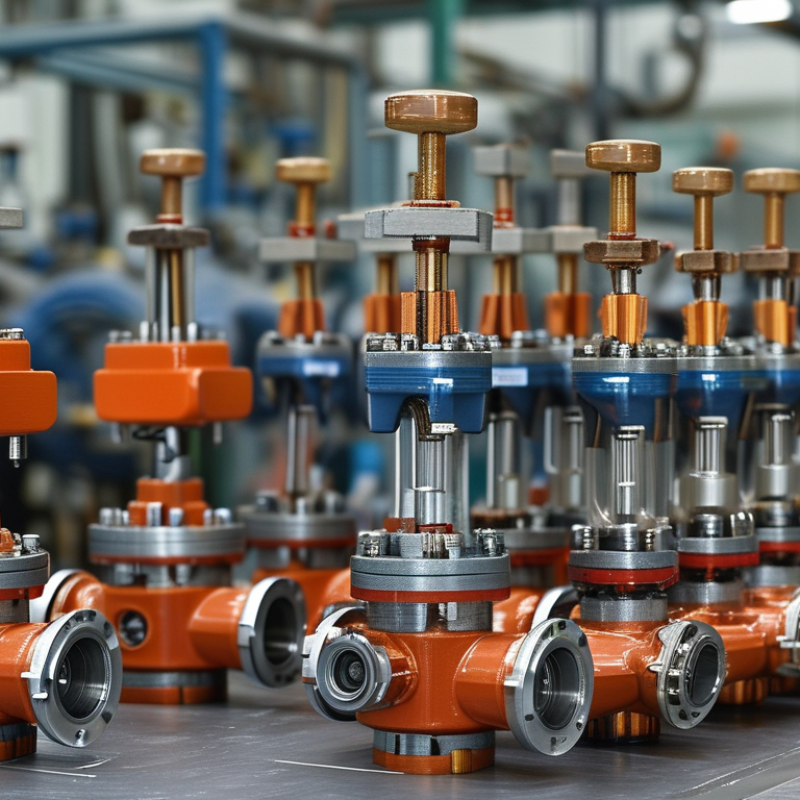
A solenoid valve is an electromechanical device designed to control fluid flow. It consists of a coil, a plunger, and a body. When electrical current passes through the coil, it creates a magnetic field that moves the plunger, opening or closing the valve. This mechanism allows solenoid valves to operate automatically and efficiently, making them essential in various industrial applications.
The functionality of solenoid valves is critical in sectors like HVAC, water treatment, and automation. According to industry reports, the global solenoid valve market is projected to grow at a CAGR of 5.7% through 2027. This growth reflects the increasing demand for automation and efficient fluid control systems. Solenoid valves can handle pressures up to 150 psi and temperatures ranging from -40 to 200 degrees Fahrenheit. These specifications highlight their reliability in diverse environments. However, improper installation can lead to failures or reduced performance.
An important aspect of solenoid valve functionality is its energy consumption. Some models require continuous power to stay open, which may drain energy and increase costs. On the other hand, latching solenoid valves only use power during the switching process. This can provide an efficient alternative, but it comes with a trade-off in terms of complexity and potential maintenance challenges. Balancing efficiency and performance is key in selecting the right solenoid valve for specific applications.
Components of a Solenoid Valve and Their Roles
A solenoid valve consists of several key components that work together to control fluid flow. The most critical part is the solenoid itself. This electromagnetic coil creates a magnetic field when energized. This magnetic field pulls a plunger, which opens or closes the valve. The plunger can be made of various metals, affecting its response time and durability.
Another important component is the valve body. This is the main housing that contains the fluid. It is designed to withstand high pressure and corrosion. The body connects to pipes and has inlet and outlet ports to allow fluid to pass through. Lastly, there is a spring, which helps return the plunger to its original position when the solenoid is de-energized. This return action is vital for efficient operation.
Sometimes, the components might not fit perfectly. This can impact performance. A poorly sealed valve may lead to leaks. The assembly process requires precision. Any misalignment can cause issues in function. Hence, understanding each component's role can lead to better troubleshooting and maintenance practices. Over time, regular checks help ensure reliability and efficiency in operation.
How Electromagnetism Powers a Solenoid Valve
Electromagnetism plays a crucial role in the operation of solenoid valves. These valves are widely used in various industries for fluid control. At their core, a solenoid valve consists of a coil, a plunger, and a housing. When electric current flows through the coil, it generates a magnetic field. This field pulls the plunger, either opening or closing the valve, depending on the design. According to a report by the International Society of Automation, solenoid valves are known for their reliability, with failure rates typically below 0.1% in controlled environments.
One important aspect to consider is the responsiveness of solenoid valves. The speed of actuation can vary based on the coil's specifications. Research indicates that coil resistance and inductance can significantly affect how quickly the valve responds. In applications requiring precise timing, this can be a critical factor. Engineers often face challenges in optimizing these specifications to achieve the desired performance.
For optimal performance, keep the following in mind: ensure the power supply matches the coil’s requirements. Voltage fluctuations can lead to erratic valve behavior. Regular maintenance is vital as well. Inspecting the components can prevent potential failures. In high-use environments, consider the valve's duty cycle. Overheating can reduce lifespan, so proper thermal management is essential. These simple considerations can enhance reliability and efficiency in your system.
Common Applications of Solenoid Valves in Various Industries
Solenoid valves are integral components across various industries. Their key role is to control fluid flow through automation, ensuring efficiency and reliability. The manufacturing sector is one of the primary users, where solenoid valves help streamline operations. According to a recent industry report, the global market for solenoid valves is projected to reach $7 billion by 2026, driven by increased automation in manufacturing processes.
In the automotive industry, solenoid valves are crucial for fuel injection systems. They allow precise control of fuel delivery, enhancing performance and fuel efficiency. Moreover, the HVAC sector relies on these valves for regulating air and water flow. This ensures optimal temperature control and energy savings in buildings. A survey indicated that approximately 40% of energy consumption in facilities could be reduced through better valve management.
When implementing solenoid valves, consider the environment. Temperature extremes or corrosive substances can affect performance. Regular maintenance is essential to avoid failures. Monitoring systems can alert users about potential issues before they escalate. This proactive approach can save time and costs in the long run. Always question if the chosen valve meets all operational demands effectively.
Common Applications of Solenoid Valves in Various Industries
Maintenance and Troubleshooting Tips for Solenoid Valves
Solenoid valves are essential in automation and control systems, governing the flow of liquids and gases. Proper maintenance ensures their reliability. Regular inspections help catch issues early. Check for leaks, corrosion, or unusual noises. These could signal a malfunction.
A study by the International Society of Automation found that well-maintained solenoid valves can improve system efficiency by 20%. Routine cleaning of the coils and plunger areas is crucial. Dirt and debris may affect performance. It's recommended to replace seals every few years, depending on usage.
Another key aspect is identifying symptoms of failure. If a valve doesn't open or close fully, inspect the power supply first. Sometimes, erratic operation stems from electrical issues. It's essential to keep records of all maintenance activities, which can improve troubleshooting. Documenting these can reveal patterns over time and guide better practices.