Top Tips for Choosing the Right Liquid Flow Control Valve?

Choosing the right liquid flow control valve is critical for optimizing process efficiency. A report by Flow Control Magazine highlights that poor valve selection can lead to a 30% decrease in system performance. This emphasizes the importance of understanding the specific needs of your application.

Expert James Thompson, a leading authority in fluid dynamics, stated, “Selecting the appropriate liquid flow control valve can make or break your system’s reliability.” His insights reflect the challenges many face when navigating the vast array of options.

Many industries rely heavily on these valves, from chemical manufacturing to water treatment. However, even experienced professionals can struggle with the complexities. Factors like material compatibility, pressure ratings, and flow characteristics must all be considered. High-quality valves can significantly reduce operational costs, yet the risks associated with incorrect choices are often underestimated. Proper research and expert advice are essential for making an informed decision.
Top Tips for Choosing the Right Liquid Flow Control Valve?

Understanding Liquid Flow Control Valves and Their Functions

Liquid flow control valves are essential components in various systems. They regulate the flow of liquids to ensure optimal performance. Understanding their functions can help in selecting the right valve for your application.

These valves control flow rate and pressure in systems like HVAC, water treatment, and industrial processes. Choosing the right valve depends on factors like desired flow rate and liquid properties. For instance, some valves handle high-viscosity liquids, while others work better with low-viscosity fluids.

Installation and maintenance also matter. A poorly installed valve may lead to leaks or inefficiencies. Regular checks can prevent performance issues. Consider future needs as well; changes in liquid characteristics may require a different valve. Take time to evaluate specifications and consult experts to avoid costly mistakes later.
Key Factors to Consider When Selecting a Liquid Flow Control Valve

When selecting the right liquid flow control valve, several key factors must be considered. One primary aspect is the type of fluid being controlled. Different fluids have unique properties such as viscosity and chemical composition. For instance, a study by the Flow Control Institute highlights that viscosity can affect the valve's performance by up to 30%. This is critical for industries like oil and gas, where selecting the wrong valve can result in inefficiencies.

Another important factor is the valve's size and flow rate. The American Society of Mechanical Engineers (ASME) indicates that improper sizing can lead to pressure loss of 15% or more. This can strain the entire system. Proper sizing involves calculating the flow requirements and understanding the system's layout.

Additionally, environmental conditions must not be overlooked. Factors like temperature and pressure can significantly influence valve performance. Research shows that operating a valve outside its specified temperature range may shorten its lifespan by 50%. Tests in diverse conditions are essential to ensure reliability. Hence, attention to these details leads to better operational efficiency and longevity in fluid systems.

Top Tips for Choosing the Right Liquid Flow Control Valve

Factor Description Importance Level Examples
Flow Rate Determining the required flow rate helps in selecting a valve that can handle the operational needs. High 10 GPM, 100 LPM
Fluid Type Understanding the fluid characteristics such as corrosiveness, viscosity, and state is crucial. High Water, Oil, Chemicals
Temperature Valves must withstand the operating temperature without degradation. Medium -10°C to 100°C
Pressure Ratings Know the maximum pressure the valve will be exposed to for safe operation. High 150 PSI, 10 Bar
Valve Size Correct sizing ensures optimal flow and efficiency. High 1 inch, 2 inches
Operation Type Consider manual vs. automated operation for ease of use. Medium Manual, Electric, Pneumatic
Material Compatibility Valve material must be compatible with the liquid to prevent leaks and damage. High Brass, Stainless Steel, PVC

Different Types of Liquid Flow Control Valves and Their Applications

Top Tips for Choosing the Right Liquid Flow Control Valve?

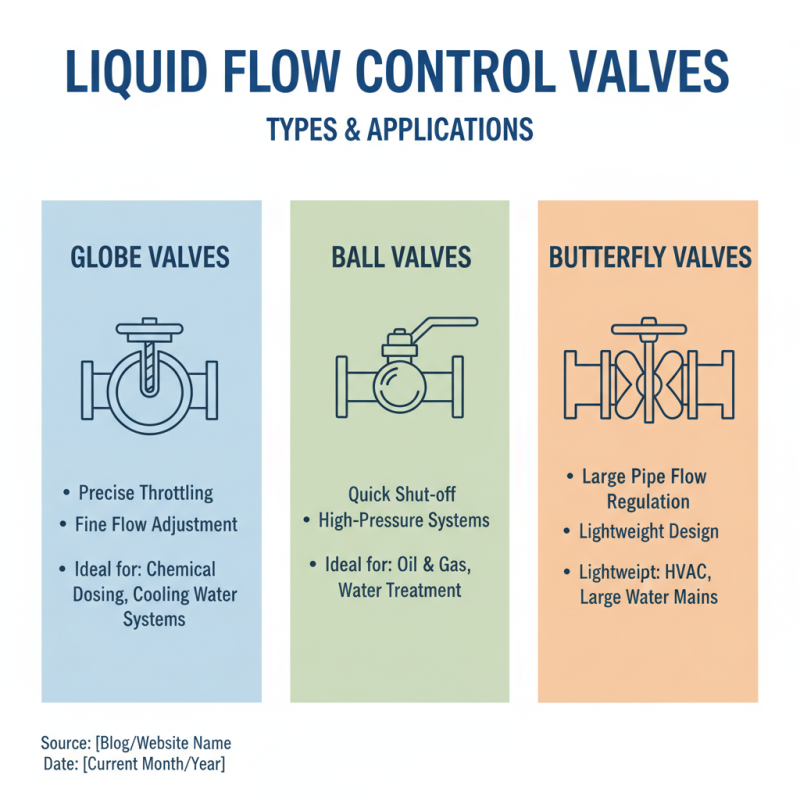
When selecting liquid flow control valves, understanding the types and their applications is vital. There are several types of valves: globe valves, ball valves, and butterfly valves. Each serves unique purposes across industries. Globe valves are ideal for throttling flow. They maintain precise control, suitable for applications requiring fine adjustments. Ball valves offer quick shut-off in pipelines, perfect for high-pressure systems. Meanwhile, butterfly valves are lightweight and effective for regulating flow in large pipes.

Recent industry reports indicate the global flow control valve market is projected to grow at a CAGR of 5.6%, reaching $9.2 billion by 2025. This growth underscores the increasing importance of selecting the right valve for efficiency and safety. Choosing the wrong type can lead to leaks, inefficiency, or even safety hazards.

Tips for selection include assessing the operating conditions, such as temperature and pressure. Understanding the flow characteristics will guide you to the right valve type. Always consider maintenance practices. Some valves may require more upkeep than others. Getting it right is crucial for optimal system performance. Recognizing the unique traits of each valve type not only enhances reliability but also improves overall operational costs.

Common Materials Used in Liquid Flow Control Valves

Top Tips for Choosing the Right Liquid Flow Control Valve?

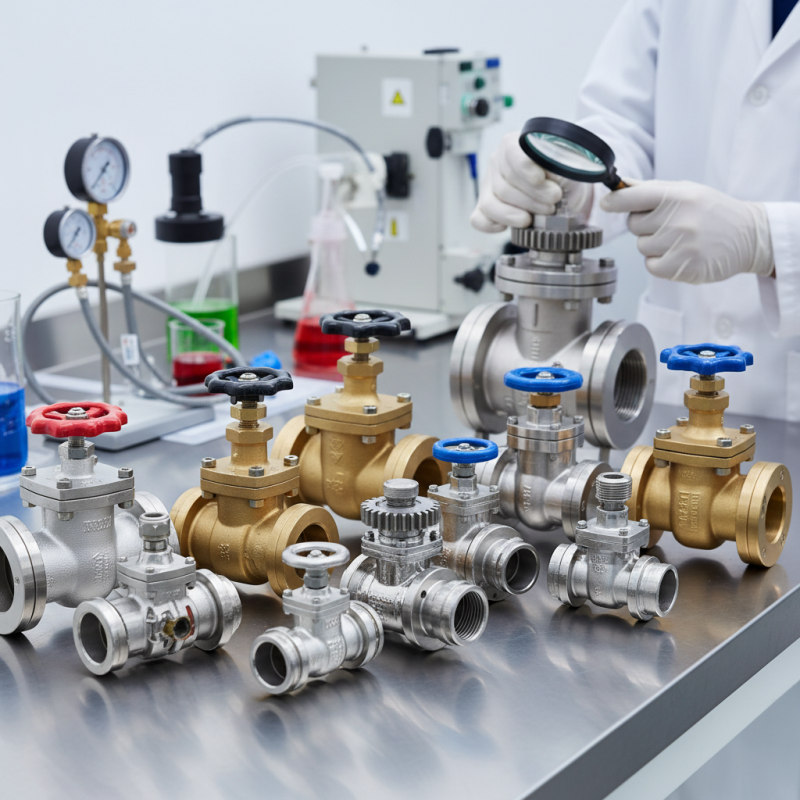
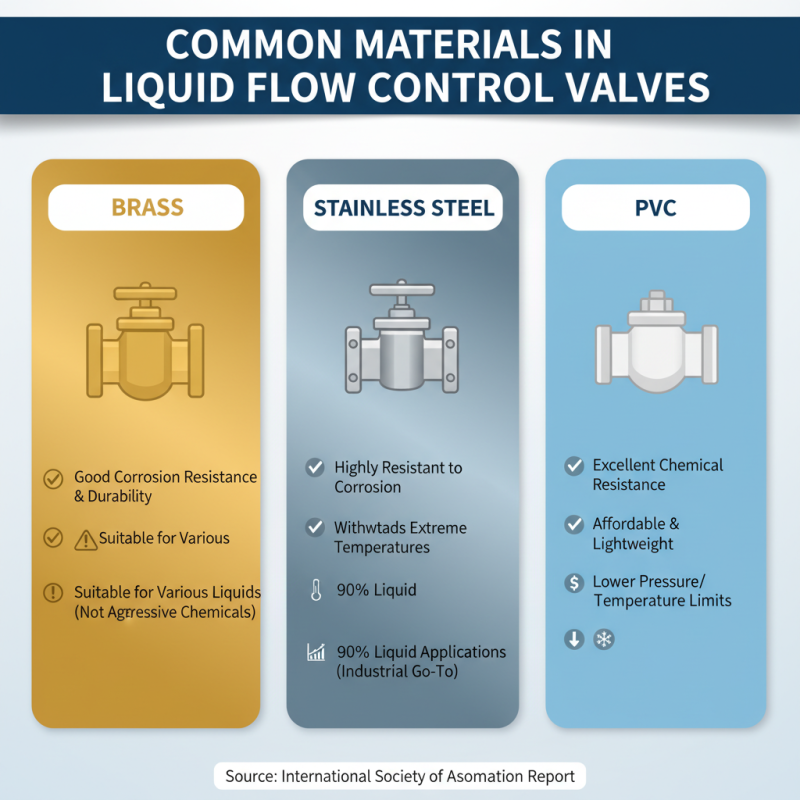
When selecting a liquid flow control valve, material choice significantly impacts performance. Common materials include brass, stainless steel, and PVC. Brass offers good corrosion resistance and durability, making it suitable for various liquids. However, it may not handle aggressive chemicals well. On the other hand, stainless steel is highly resistant to corrosion and extreme temperatures, making it a go-to for industrial applications. According to a report by the International Society of Automation, stainless steel valves can operate effectively in over 90% of liquid applications.

PVC is a cost-effective alternative. It excels in handling corrosive substances but may not withstand high pressures. When choosing materials, consider the fluid’s characteristics, such as viscosity and temperature. Testing is essential; improper material selection can lead to leaks or valve failure.

Tip: Always assess the environment in which the valve operates. High humidity or exposure to harsh chemicals may influence performance. Additionally, think about maintenance. Some materials require regular checks, while others last longer with minimal attention. Choosing the correct valve material is about balancing cost, durability, and suitability for the liquid it will handle.

Maintenance Tips for Ensuring Optimal Performance of Valves

Maintaining liquid flow control valves is crucial for their performance. Regular inspections are essential to prevent unexpected failures. Check for signs of wear and tear, such as leaks or corrosion. A simple visual inspection can often reveal issues early. Don’t underestimate the importance of these checks.

Cleaning is another vital step. Dirt and debris can obstruct flow, leading to inefficiency. Regularly clean valve components to ensure smooth operation. Use appropriate cleaning agents that won't damage materials. Be mindful of any buildup in critical areas.

Lubrication is key for moving parts. Apply lubricant as recommended by the manufacturer. Insufficient lubrication can lead to increased friction, causing wear. However, be careful not to over-lubricate. Too much lubricant can attract more dirt, exacerbating the problem. Understanding these maintenance tips can enhance valve longevity and reliability.

Top Tips for Choosing the Right Liquid Flow Control Valve

This bar chart illustrates the importance of various factors in selecting the right liquid flow control valve. Each factor's significance is rated on a scale from 1 to 10 based on expert opinions.