Essential Tips for Choosing Pneumatic Valves for Your System?
When selecting pneumatic valves for industrial applications, careful consideration is crucial. These components play a vital role in controlling airflow and pressure within various systems. According to a recent market report, the global pneumatic valve market is expected to reach $8 billion by 2026, highlighting their significance in automation.
Pneumatic valves come in various types, each tailored for specific functions. Your choice can affect system efficiency and operational reliability. For instance, choosing the wrong valve can lead to increased energy consumption or even operational downtime. Understanding your system’s requirements is essential in making the right decision.
Many operators focus solely on purchasing costs rather than evaluating performance metrics. This can lead to long-term inefficiencies. Data shows that improper valve selection may cause up to a 30% loss in productivity. Therefore, focusing on quality and compatibility over price is not just prudent; it's necessary for optimal system performance.
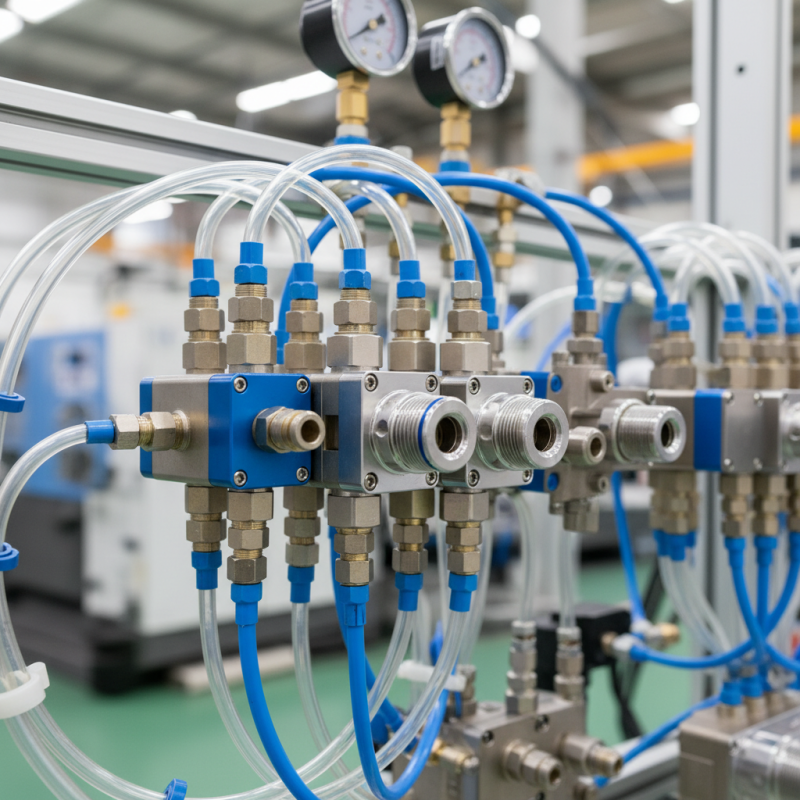
Understanding Pneumatic Valve Types and Their Applications
Choosing the right pneumatic valve for your system is crucial.
Various types of pneumatic valves serve different applications. Understanding these types can significantly enhance operational efficiency.
There are three main categories of pneumatic valves:
- Directional control valves manage the flow path of air.
- Flow control valves regulate the speed of actuators.
- Pressure control valves maintain system pressure.
According to a recent industry report, the global pneumatic valve market is projected to reach
$6 billion by 2027, driven by automation trends.
Selecting the wrong valve may lead to inefficiency. For example, a poorly matched directional valve can cause slower actuator movement. This can impact productivity.
Moreover, improper installation can result in leaks, costing time and resources.
Regular evaluations of valve performance ensure optimal function. Customizing valve selection based on specific application requirements is essential for maximizing system reliability.
Key Performance Factors to Consider in Pneumatic Valves
When selecting pneumatic valves, several performance factors come into play. One key factor is flow rate. It significantly affects the efficiency of your pneumatic system. According to industry reports, valves with higher flow rates can optimize system performance by reducing cycle times. A valve flow rate of around 1,300 L/min is typical for many applications.
Another crucial factor is the valve's response time. Fast response time enhances automation and process control. Many pneumatic systems require response times of less than 20 milliseconds to operate effectively. However, achieving this may involve trade-offs in durability or cost. It’s essential to find balance.
Pressure ratings also impact valve selection. Valves must withstand specific system pressures without failure. A pressure rating of at least 8 bar is often recommended for demanding applications. Nonetheless, overestimating required pressure can lead to unnecessary costs or system complexity. Reflection on the actual needs of the system will lead to better choices.
Material Selection for Durability and Compatibility
When selecting pneumatic valves, material compatibility is crucial for ensuring long-term performance. Different materials exhibit varied resistance to chemicals and temperatures. For example, stainless steel is often recommended for high-pressure systems due to its excellent corrosion resistance. In contrast, aluminum may be suitable for lighter applications but can fail under extreme conditions. According to industry reports, improper material selection can lead to failures in up to 30% of pneumatic systems.
Tips for material choice: always evaluate your operating environment. Consider factors like humidity, temperature, and exposure to corrosive substances. A valve made from the right material can extend system longevity and efficiency.
Remember, not all materials are created equal. Plastic valves have become popular for their lightweight design, but they may not endure harsh conditions as effectively as metal valves. It's essential to weigh cost against durability. Choosing cheaper materials can lead to frequent replacements, causing unexpected downtime. Always ask for detailed specifications when sourcing materials. This step ensures you avoid costly mistakes in system design.
Sizing and Pressure Ratings for Optimal Functionality
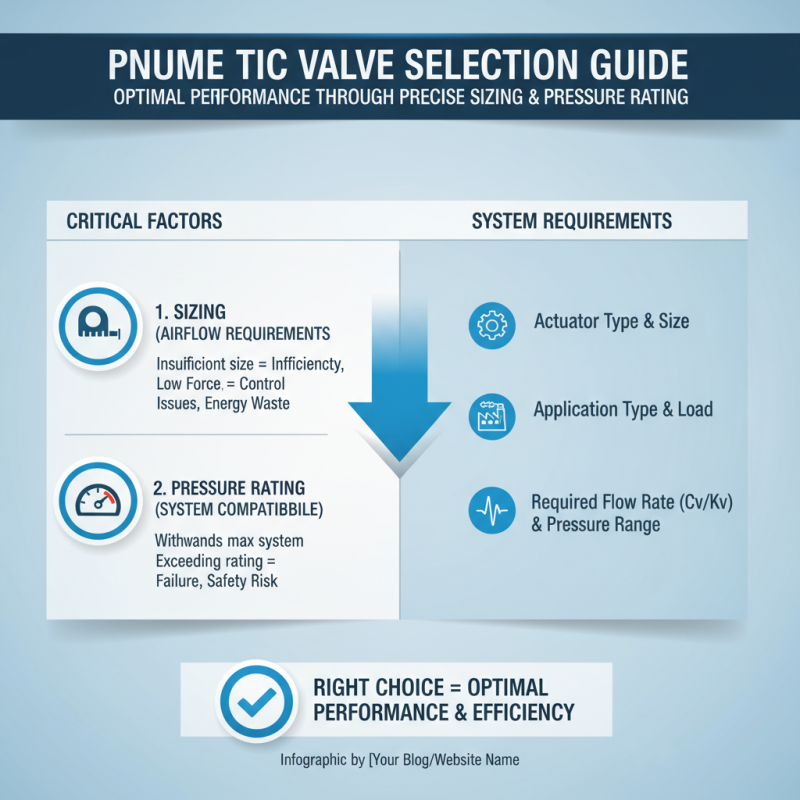
When selecting pneumatic valves, sizing and pressure ratings are critical to ensure optimal performance. Understanding the system's requirements helps in making the right choice. A valve that is too small may not handle the required airflow, leading to inefficiency. Conversely, an oversized valve could result in control issues and wasted energy.
Consider the application's pressure range. Each valve has specific pressure ratings that indicate its operational limits. Exceeding these ratings can cause catastrophic failures. It's essential to match the valve's specifications with the system's pressure needs. Remember, a mismatch can lead to leaks or even complete system failure.
Proper sizing also affects responsiveness. A well-sized valve can react quickly to system demands, ensuring smooth operation. It’s not just about choosing a valve; it’s about fitting the right one. Take time to analyze your needs. Each small detail can impact the entire system. Reflect on your choices to avoid common pitfalls in valve selection.
Maintenance and Inspection Tips for Long-lasting Pneumatic Valves
Pneumatic valves are critical components in many industrial applications. Their durability and efficiency depend heavily on regular maintenance and inspection. Even high-quality valves can fail if neglected. A report from the Fluid Power Institute indicates that about 30% of system failures are linked to neglected valve maintenance.
One key tip is to establish a routine inspection schedule. Inspect valves at least every six months. Look for leaks, corrosion, and wear. If you notice irregularities, address them promptly. Simple visual checks can prevent bigger problems.
Another useful tip is to keep records of maintenance activities. A study by the International Fluid Power Society shows that organized records can increase the lifespan of pneumatic components by up to 20%. Note when each valve was serviced. Document any repairs or replacements. This data will help identify trends in valve performance.
Finally, ensure that your maintenance team has proper training. Adequately trained staff can spot issues early. An untrained eye may overlook subtle signs of wear. Regular training sessions can significantly improve system reliability.
Essential Tips for Choosing Pneumatic Valves for Your System
| Parameter |
Description |
Importance |
| Type of Valve |
Choose between globe, ball, or butterfly depending on flow requirements. |
Affects flow efficiency and control. |
| Pressure Rating |
Select valves that can handle the maximum pressure of your system. |
Ensures safety and reliability under operating conditions. |
| Material |
Consider corrosion resistance and compatibility with fluid. |
Impacts durability and performance. |
| Actuation Method |
Choose manual, pneumatic, or electric based on system automation. |
Influences ease of use and response time. |
| Size |
Fit the valve size to the piping system to avoid flow restrictions. |
Critical for maintaining system performance. |
| Maintenance Frequency |
Determine how often valves need to be inspected or serviced. |
Prevents unexpected failures and extends service life. |
| Seal Type |
Select seals suitable for the operating temperature and fluid type. |
Affects leakage and maintenance needs. |