Explore Unique Wood Style Decorative Panels for Your Projects?
Wood Style Decorative Panels are gaining popularity in design projects. They offer a blend of natural beauty and modern aesthetics. These panels can transform any space, adding warmth and texture.
Choosing the right wood style can be challenging. With so many options available, selecting the perfect panel for your needs is crucial. Each panel carries its unique characteristics and grain patterns. This variety means you can create a truly personalized atmosphere.
However, the decision shouldn’t be rushed. It’s essential to consider not just the look but also the material's sustainability and durability. Reflecting on your choice can lead to a more thoughtful design. Understanding the nuances of Wood Style Decorative Panels will enhance your creative projects significantly.
Unique Wood Styles: An Overview of Decorative Panels
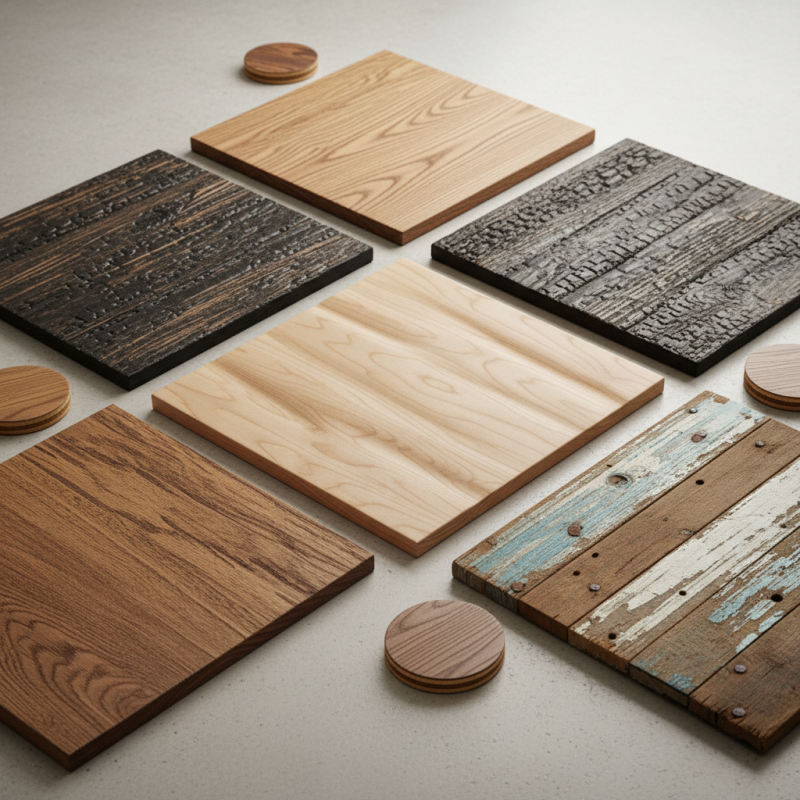
Unique wood style decorative panels can transform any space. They serve as a focal point, adding depth and character. You can choose from various wood types, textures, and finishes. Each panel tells a story through its grain and color. This makes them perfect for projects that require an artistic touch.
When selecting decorative panels, consider the room's overall vibe. Light-colored woods create an airy feel. Darker woods exude elegance and warmth. Think about the impact of different stains and finishes. A gloss finish can add modernity, while a matte finish provides a rustic charm.
**Tips:** Always request samples before making a commitment. You might be surprised by how a panel looks in your space. Also, account for potential installation challenges. Uneven walls can lead to gaps. Be ready to adapt your design to these realities. Embracing imperfections can lead to truly unique results.
Understanding Different Types of Wood for Decorative Panels
When it comes to decorative panels, wood offers a timeless appeal. Different types of wood each bring unique characteristics and finishes to your projects. For instance, oak is robust and has a prominent grain, making it a favorite for classic designs. Pine, on the other hand, is softer, lighter, and can be stained to enhance its appearance.
The choice of wood impacts both aesthetics and durability. Maple has a smooth surface and is resistant to scratches. It can be used for sleek modern panels. If you prefer a rustic look, reclaimed wood offers rich histories and textures. However, working with reclaimed wood can come with challenges like ensuring it’s free of pests.
Cedar is another interesting option. It naturally resists decay, making it suitable for both indoor and outdoor projects. Yet, it's essential to consider how the wood will react to humidity. Monitoring environmental conditions can prevent warping. Always remember that each wood type has its strengths and weaknesses. The wrong choice may lead to dissatisfaction. Exploring the nuances of each type can lead to satisfying outcomes.
Design Trends Incorporating Wood Style Decorative Panels
In recent years, wood style decorative panels have surged in popularity among designers and homeowners alike. Their natural aesthetics enhance any space, providing warmth and texture. According to a recent industry report, the market for decorative panels is expected to reach $4 billion by 2025, driven by these innovative designs. As people yearn for a connection to nature, wood-style options are becoming essential in contemporary interiors.
Incorporating these panels into spaces can transform a room dramatically. The trend leans towards sustainable materials, with a focus on recycled woods. This approach not only fosters environmental responsibility but also promotes uniqueness. Each panel tells a story through its grain and finish, something synthetic options cannot replicate. The use of LED lighting behind these panels is trending, creating dynamic, visually appealing spaces.
Tips: When choosing wood style panels, consider the room's lighting. Natural light can enhance the wood's beauty. Each panel should complement the overall design theme. Experiment with combinations of textures and colors for a personalized touch. Remember to assess the installation area for potential challenges, like uneven walls. Don’t rush the decision; explore various styles and finishes before committing.
Installation Techniques for Wood Decorative Panels
When considering wood decorative panels, installation techniques play a crucial role in achieving a polished look. Proper preparation of the surface is essential. For instance, ensuring that the wall is clean and smooth can prevent future problems like warping. According to recent industry reports, about 30% of panel installations fail due to inadequate surface preparation.
Next, the method of fastening the panels impacts durability and aesthetics. Common techniques include adhesive applications and mechanical fasteners. Each method has its pros and cons. Adhesives offer a seamless finish but require precision, while mechanical fasteners provide strength. Yet, misalignment during installation can lead to visible seams. Observing proper alignment is crucial, with a mere 3% discrepancy potentially leading to significant visual disturbances.
It's also vital to consider environmental factors. Variations in humidity and temperature can cause wood to expand or contract. This could affect the panel’s fit over time. Understanding these effects can help choose the right installation method and materials. Professional installation can reduce errors, but ultimately, DIY enthusiasts must remain attentive to these details.
Explore Unique Wood Style Decorative Panels: Popular Installation Techniques
Care and Maintenance of Wood Style Decorative Panels
Wood style decorative panels can enhance any space. However, proper care and maintenance are essential to ensure their longevity. A study by the Wood Products Council indicates that untreated wood decor can lose its finish and color within five years. Regular cleaning can extend the life of these panels significantly.
It's crucial to use a soft, damp cloth for routine cleaning. Avoid harsh chemicals, as they can damage the finish. A mix of vinegar and water is often recommended for natural cleaning. Applying a wood conditioner every six months can prevent drying and cracking, as per the National Wood Flooring Association. Over time, even with the best care, some panels may show signs of wear. This is normal and can often be addressed with a light sanding and reapplication of finish.
Keep in mind that environmental factors play a significant role in maintenance. Humidity levels can affect wood panels. High humidity may cause warping, while low humidity can lead to cracking. It's advisable to keep indoor humidity between 30-50%. Regularly checking for these changes is a proactive step in preserving the integrity of wood style panels. Monitoring their condition can help you make timely decisions that enhance their aesthetic appeal.