
China Top 10 Pneumatic Valve Suppliers for Global Buyers
Choosing reliable pneumatic valves from China requires more than comparing prices on a supplier website. Global buyers must examine engineering capability, manufacturing consistency, testing procedures, and after-sales support. A polished catalog is useful, but it cannot replace factory evidence.
This guide introduces ten Chinese suppliers serving international industrial markets. It considers product range, material options, pressure ratings, control methods, customization ability, and export experience. Buyers may find stainless steel valves for corrosive environments, compact solenoid valves for automation lines, and heavy-duty units for water, chemical, or process systems. Details such as leakage testing, surface finish, response time, and actuator compatibility can affect performance after installation.
Experience shows that communication often matters as much as product quality. A responsive supplier should explain specifications clearly, provide technical drawings, and support sample evaluation. Relevant quality systems, inspection records, and market certifications should also be verified for the destination country. Do not rely on assumptions.
No ranking is perfect. Supplier capabilities can change, and a strong manufacturer for food processing may not suit mining equipment. Some companies present limited technical information, which deserves careful questioning. Buyers should compare real application requirements, not only online ratings or attractive quotations. This overview of China’s top 10 pneumatic valves suppliers aims to provide a practical starting point for responsible sourcing. Final decisions should follow factory audits, documented testing, reference checks, and a clear understanding of warranty terms. Small details matter.
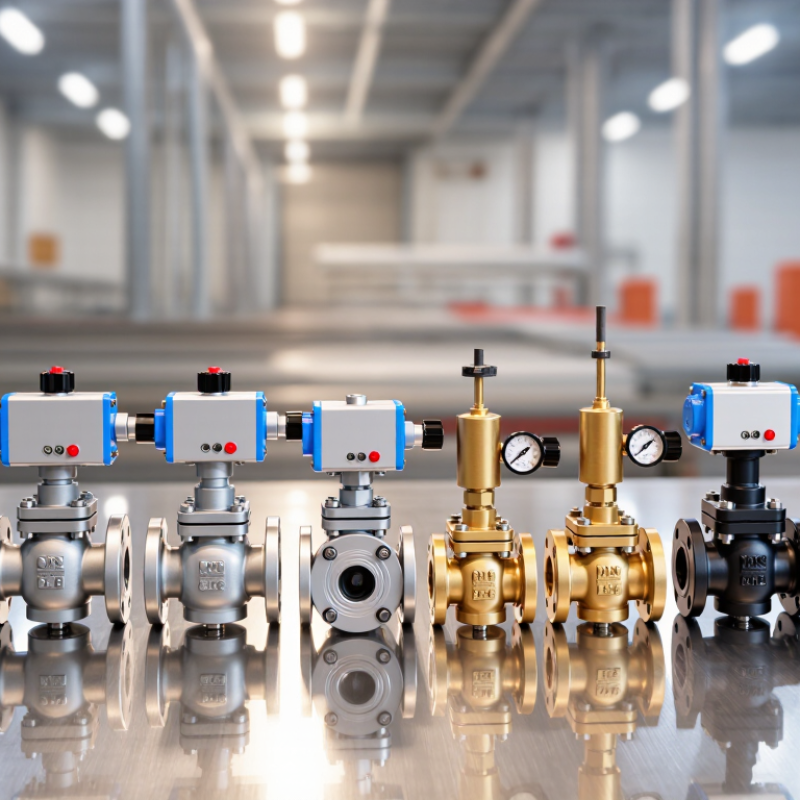
What Defines a Leading Chinese Pneumatic Valve Supplier
A leading Chinese pneumatic valve supplier proves capability through repeatable engineering, not attractive catalogs alone. Its team should understand air pressure, valve torque, flow direction, sealing materials, and actuator sizing. Technical answers must match real operating conditions. Ask for pressure ranges, temperature limits, media compatibility, and expected cycle life. Vague replies signal risk.
Factory experience appears in small details. Engineers should review drawings before production and identify incorrect thread standards or unsuitable seals. Each valve needs traceable materials, dimensional checks, pressure testing, and leakage inspection. A reliable supplier can provide test records, inspection plans, and clear product documentation. It should also explain whether testing covers the complete assembly or only individual parts. That difference matters.
Communication is another practical measure. A capable supplier confirms delivery terms, packaging, spare parts, and after-sales response times in writing. Sample approval should include the actual actuator, connection size, and working pressure. Not a showroom sample. Independent audits and reference projects can strengthen trust, but they cannot replace technical verification. No supplier gets every detail right. A careful buyer should challenge assumptions, especially when a quotation seems unusually low. Small omissions can become expensive delays during installation.
China Top 10 Pneumatic Valve Suppliers for Global Buyers - What Defines a Leading Chinese Pneumatic Valve Supplier
Anonymous comparison of representative Chinese pneumatic valve supplier capabilities for international sourcing
| Rank | Anonymous Supplier Profile | Primary Pneumatic Valve Range | Nominal Size Range | Pressure Class or Rating | Body and Seal Materials | Actuator Options | Applicable Standards | Quality and Compliance Evidence | Export-Supplier Strength |
|---|---|---|---|---|---|---|---|---|---|
| 1 | Supplier Profile A | Ball valves, butterfly valves, three-way valves, and pneumatic actuators | DN15–DN600 | PN10–PN40; Class 150–300 | Carbon steel, stainless steel, ductile iron; PTFE, EPDM, and FKM seals | Double-acting and spring-return; aluminum and stainless-steel actuator bodies | ISO 5211, EN 593, EN 12516, ASME B16.34 | ISO 9001 quality system; pressure, leakage, and dimensional inspection records | Suitable for distributors requiring mixed orders, private labeling, and export documentation |
| 2 | Supplier Profile B | Stainless-steel ball valves, sanitary valves, and compact actuated valves | DN8–DN200 | PN16–PN63; Class 150–600 | 304/316 stainless steel; PTFE, reinforced PTFE, EPDM, and FKM | Compact pneumatic actuators with manual override and position indication | ISO 5211, EN 10204, ASME B16.5, ASME B16.34 | Material certificates, batch traceability, hydrostatic testing, and seat-leakage testing | Strong fit for food processing, chemical handling, water treatment, and OEM projects |
| 3 | Supplier Profile C | High-cycle butterfly valves, wafer valves, lug valves, and pneumatic actuators | DN50–DN1200 | PN10–PN25; Class 150 | Ductile iron, carbon steel, stainless steel; EPDM, NBR, and FKM liners | High-torque pneumatic actuators for large-diameter pipeline applications | EN 593, API 609, ISO 5211, EN 558 | Torque testing, shell testing, seat testing, coating inspection, and production traceability | Competitive for municipal water, HVAC, irrigation, and general industrial projects |
| 4 | Supplier Profile D | Process ball valves, floating ball valves, trunnion-mounted valves, and control accessories | DN15–DN800 | PN16–PN420; Class 150–2500 | Forged or cast carbon steel, alloy steel, and stainless steel; graphite and PTFE sealing options | Pneumatic actuators with fail-open, fail-close, and double-acting configurations | API 6D, API 608, ASME B16.34, ISO 5211 | Pressure testing, fugitive-emission testing where specified, PMI, and material documentation | Best suited to oil, gas, petrochemical, and high-pressure industrial procurement |
| 5 | Supplier Profile E | Plastic-bodied valves, diaphragm valves, solenoid valves, and low-pressure actuated assemblies | DN15–DN150 | PN6–PN16 | PVC, CPVC, PP, PVDF; EPDM, FKM, and PTFE wetted components | Compact pneumatic actuators and electrically controlled pilot systems | EN 12266, ISO 5211, relevant plastic-piping standards | Chemical-compatibility documentation, pressure testing, and batch inspection reports | A practical option for water treatment, plating, chemical dosing, and corrosive media |
| 6 | Supplier Profile F | Sanitary butterfly valves, sanitary ball valves, diaphragm valves, and hygienic actuators | DN15–DN300 | PN10–PN16; sanitary pressure ratings by design | 316L stainless steel; EPDM, FKM, silicone, and PTFE seals | Washdown-resistant pneumatic actuators with hygienic fittings | ISO 5211, EN 10357, ASME BPE, hygienic surface-finish requirements | Surface-finish records, material certificates, cleanability documentation, and leakage testing | Designed for dairy, beverage, pharmaceutical, biotechnology, and hygienic processing lines |
| 7 | Supplier Profile G | Angle-seat valves, pinch valves, solenoid valves, and automated utility valves | DN10–DN200 | PN10–PN40 | Stainless steel, brass, cast steel, and engineered polymers; EPDM, FKM, and PTFE seals | Single-acting and double-acting actuators for frequent cycling | ISO 5211, EN 161, EN 12266, IEC 60534-related control practices | Cycle testing, response-time testing, coil inspection, and pressure verification | Well suited to compressed-air systems, automation equipment, packaging, and OEM integration |
| 8 | Supplier Profile H | Metal-seated ball valves, cryogenic-service valves, and low-temperature pneumatic packages | DN15–DN500 | PN16–PN100; Class 150–600 | Stainless steel, low-temperature carbon steel, and nickel-alloy trim; graphite and specialized PTFE seals | Extended-stem pneumatic packages with positioners and limit switches | API 6D, ASME B16.34, ISO 5211, low-temperature design requirements | Low-temperature testing where specified, pressure testing, material traceability, and functional testing | Appropriate for gas handling, refrigeration, liquefied-gas, and specialized process applications |
| 9 | Supplier Profile I | Control valves, segmented ball valves, eccentric butterfly valves, and pneumatic positioner packages | DN25–DN600 | PN16–PN63; Class 150–300 | Carbon steel, stainless steel, alloy steel; PTFE, graphite, and metal-seat options | Pneumatic diaphragm or piston actuators with fail-safe configurations | IEC 60534, EN 60534, ISO 5211, ASME B16.34 | Flow-capacity data, calibration records, seat-leakage testing, and actuator stroking tests | A strong candidate for process control, steam, water, air, and general utility services |
| 10 | Supplier Profile J | Custom-engineered automated valves, modular actuator assemblies, and project-specific packages | DN15–DN1000 | PN10–PN420; Class 150–2500 depending on design | Carbon steel, stainless steel, duplex, alloy steel, and corrosion-resistant trim | Double-acting, spring-return, hydraulic-pneumatic, and customized actuator systems | API, ASME, ISO, EN, and project-specific customer specifications | Design calculations, inspection and test plans, third-party inspection support, and complete technical dossiers | Best for EPC contracts, engineered packages, large infrastructure, and non-standard valve requirements |
Related Posts
-
2025 Market Trends in Pneumatic Valves for Global Buyers
-
Essential Tips for Choosing Pneumatic Valves for Your System?
-
Top Industrial Pneumatic Valves Tips for Global Buyers?
-
Exploring Innovative Alternatives to the Best Small Pneumatic Valves for Your Industrial Needs
-

7 Essential Features of Small Pneumatic Valves You Should Know About
-

Mastering Pneumatic Flow Control Valves A Comprehensive Guide for Global Buyers