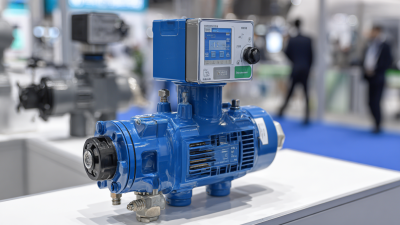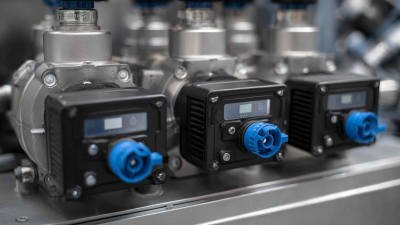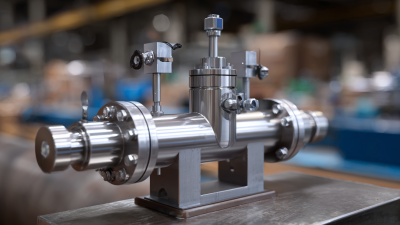
An air flow control valve may look like a compact metal fitting, but its performance can affect comfort, pressure stability, and energy use. In a duct, small changes in blade position can alter airflow across an entire room. For buyers comparing the Top 10 Air Flow Control Valve Suppliers Worldwide, product claims deserve close attention. Control range, leakage, actuator compatibility, materials, and test documentation matter more than polished brochures.
The International Energy Agency’s 2018 report, The Future of Cooling, projected that global energy demand for space cooling could more than triple by 2050 under its stated-policy scenario. That forecast makes dependable airflow management increasingly important. It does not, however, predict demand for air flow control valve products directly. The distinction matters. As energy-sector expert Fatih Birol, IEA Executive Director, has said, “Energy efficiency is the first fuel.” His observation offers useful context, though it is not a valve-specific assessment.
This supplier overview considers manufacturers through practical buying questions: Where are their products used? What control options do they offer? Can buyers verify performance data and service support? A ranked list can help narrow the field, but it cannot replace project-specific engineering review. A valve that suits a clean office duct may not fit a corrosive industrial process. That detail is easy to miss. Reliable selection starts with the operating conditions, not the ranking alone.
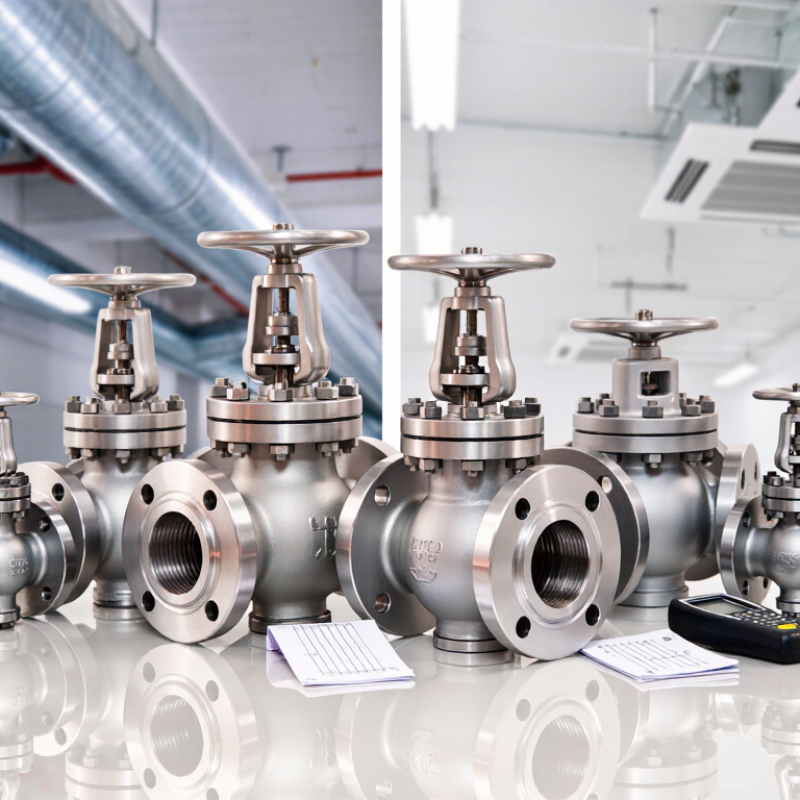
An air flow control valve regulates how much air passes through a system, and sometimes its direction or pressure. In pneumatic equipment, a valve may use a movable spool, poppet, or needle to change the opening. A larger opening usually allows more air through; a smaller one restricts flow. Simple, but not always predictable. Pressure, temperature, and downstream demand also affect the result.
In a workshop, a needle valve might slow a pneumatic cylinder so it extends gently instead of striking its stop. HVAC systems use dampers to adjust air moving through ducts, while some applications use electrically actuated valves for finer, changing control. The operating principle differs by design. Check the specified flow range and pressure limits before choosing a valve, then consider the required response, connection size, and air quality. Small adjustments can make a noticeable difference. Yet a valve alone may not fix uneven airflow caused by a blocked filter or poorly sized pipe. Measuring the system under real operating conditions is useful, though it can reveal a less convenient answer than expected.
When evaluating global air flow control valve suppliers, start with the operating conditions, not a catalogue headline. Define the required flow range, pressure, temperature, air quality, and control response. A valve tested at one pressure may behave differently in your system. Ask for performance curves and clarify how they were measured. Small details matter.
Check construction and verification. Request material specifications, leakage limits, cycle-test results, and inspection records for the exact valve configuration. Confirm that seals and body materials suit the air temperature and any moisture or particles present. Documentation should be traceable to production batches. It should also be clear enough for maintenance staff to use. If answers remain vague, treat that as a risk, not a minor inconvenience.
Supplier reliability extends beyond the component. Compare production capacity, realistic lead times, replacement-part availability, and technical support across your operating regions. Ask how design changes are communicated and whether sample units can be evaluated under representative conditions. A polished datasheet is useful, but it cannot replace a practical trial. No supplier is perfect; even a careful assessment can miss a mismatch. Revisit assumptions before committing to a specification.
The worldwide market for air flow control solutions is shaped by varied operating conditions, not just valve specifications. Food processing plants may need frequent washdowns, while workshops often prioritize stable pressure and straightforward maintenance. In either setting, a valve must match the airflow range, control method, and surrounding equipment. Small sizing errors can cause uneven flow or wasted energy. Details matter.
Suppliers serve customers through different combinations of product design, technical support, and distribution. Regional availability can affect delivery times, replacement parts, and service access. Buyers should compare pressure ratings, materials, response time, and documentation against actual operating needs. A published specification is useful, but it may not describe performance under every site condition. That judgment can be wrong; testing and reviewing measured airflow helps reduce guesswork. The market is not perfectly uniform.
Tips: Record pressure and airflow before selecting a valve. Check connection sizes and operating temperatures, too. Ask how performance is verified, and confirm spare-part access. A short trial can reveal issues that a catalogue misses.
The ten supplier profiles are best understood through their engineering strengths, rather than a simple ranking. One focuses on factory automation, where fast response and repeatable positioning matter. Another specializes in pneumatic equipment for compact machinery. A third serves building ventilation, balancing airflow across ducts and occupied rooms. Process-control suppliers tend to emphasize stable operation under changing pressure. Cleanroom-focused manufacturers pay close attention to leakage and smooth internal surfaces.
Other profiles serve narrower needs. A high-temperature specialist may offer metal bodies and heat-resistant seals. A corrosion-focused supplier may use protective coatings or compatible alloys. Compact-component makers suit equipment with tight space limits. Custom-engineering teams adapt connections, actuators, or control signals to a project. Regional distributors can help with local stock and technical coordination. These are capability profiles, not verified company rankings.
Compare each supplier’s published flow range, pressure limits, leakage data, and material specifications against actual operating conditions. Ask how performance is tested, and request documentation for the exact valve configuration. A catalog figure alone may not reflect installation losses. Check spare-part availability and service response, too. Details matter. Some suppliers provide excellent engineering support but limited customization; others offer options that increase lead time. That trade-off is easy to miss. A careful shortlist should reflect the application, evidence, and support needs—not polished claims alone.
The entries below describe ten established supplier categories in the global air-flow-control market. They are presented without company or brand names and are not a ranked list of individual businesses. Product ranges vary by supplier; verify specifications and certifications for each project.
| No. | Supplier Profile | Typical Products | Common Applications | Key Selection Considerations |
|---|---|---|---|---|
| 1 | HVAC airflow-control specialists | Volume-control dampers, pressure-independent airflow regulators, and modulating air-control units. | Commercial buildings, offices, schools, and public facilities. | Design airflow, duct dimensions, available static pressure, acoustic performance, actuator compatibility, and leakage class. |
| 2 | Building automation and terminal-unit suppliers | Air terminal units with airflow sensors, control dampers, and compatible control components. | Variable-air-volume (VAV) systems and zoned heating, ventilation, and air-conditioning systems. | Minimum and maximum airflow settings, sensor accuracy, control signal compatibility, commissioning access, and system integration. |
| 3 | Industrial damper manufacturers | Butterfly, louver, and other duct-mounted dampers for regulating or isolating gas and air flow. | Industrial ventilation, combustion-air systems, dust collection, and process ductwork. | Operating temperature, pressure drop, corrosion exposure, required shutoff performance, materials, and actuation method. |
| 4 | Pneumatic automation suppliers | Compressed-air flow-control valves, needle valves, and one-way flow controls used with pneumatic circuits. | Machine automation, pneumatic cylinders, packaging equipment, and assembly systems. | Port size, operating pressure, flow capacity, adjustment range, connection type, and compatibility with the air supply. |
| 5 | Process-control valve suppliers | Modulating valves and actuated control assemblies for regulating gas flow in process systems. | Manufacturing processes, utilities, test rigs, and industrial gas distribution. | Gas composition, pressure and temperature range, flow characteristic, shutoff requirements, actuator sizing, and applicable codes. |
| 6 | Cleanroom and laboratory airflow specialists | Room airflow regulators, exhaust-control valves, and pressure-control assemblies. | Laboratories, cleanrooms, healthcare spaces, and facilities requiring controlled room pressure. | Required room pressure relationship, airflow range, response time, sensor arrangement, exhaust conditions, and validation requirements. |
| 7 | High-purity gas system suppliers | Precision gas-flow control valves and assemblies designed for clean gas delivery. | Analytical instruments, research laboratories, and specialized manufacturing processes. | Gas compatibility, cleanliness, sealing materials, connection standards, leak-rate requirements, and required flow precision. |
| 8 | Combustion and burner-system suppliers | Air and fuel-gas control valves, ratio-control components, and burner air regulators. | Industrial furnaces, boilers, ovens, and process-heating equipment. | Fuel type, combustion-air demand, turndown, temperature exposure, safety interlocks, and applicable combustion codes. |
| 9 | Dust-collection and filtration-system suppliers | Airflow balancing dampers, isolation devices, and flow-control components for collection ductwork. | Industrial dust extraction, fume control, and filtration installations. | Dust characteristics, duct velocity, abrasion and corrosion resistance, cleaning access, and system pressure loss. |
| 10 | OEM and custom-engineered control suppliers | Application-specific airflow valves, manifold assemblies, and integrated control packages. | Equipment manufacturers, specialized machinery, and custom ventilation or process systems. | Required customization, production volume, interface dimensions, documentation, testing needs, and long-term parts availability. |
Air flow control valve suppliers differ less by catalog size than by how clearly they define operating limits. Compare rated flow, pressure range, leakage class, and response time. These figures help show whether a valve suits a fast packaging line or a steady ventilation duct. Some products use compact solenoid actuation, while others provide proportional control for gradual adjustment. Details matter.
Industries place different demands on valve design. Process plants may prioritize corrosion-resistant bodies and stable control under changing loads. Food production and clean manufacturing often need smooth surfaces, easy cleaning, and clear material specifications. Building services may favor quiet operation, simple commissioning, and controls that work with existing sensors. Published application examples are useful, but they do not replace checking the actual duty cycle. Ask suppliers to review inlet pressure, temperature, and target airflow.
Service can distinguish otherwise similar products. Compare drawing support, sample testing, spare-part availability, lead times, and help with commissioning or troubleshooting. A detailed selection review is more useful than a broad promise of compatibility. One limitation: suppliers may use different test conditions, so headline capacity figures can be difficult to compare. Request the conditions behind the figures, and keep them with the project records.