
China Top 10 Solenoid Valve Manufacturers
Selecting a solenoid valve manufacturer involves more than comparing prices or reading product catalogs. China’s suppliers serve varied industries, from water treatment and factory automation to refrigeration and pneumatic equipment. This guide introduces ten manufacturers and offers a practical way to compare their products, engineering capabilities, and customer support. It is a starting point, not a universal ranking; the right choice depends on the application.
Check the details that affect performance. Ask about valve body materials, seal compatibility, operating pressure, fluid temperature, voltage, and expected cycle life. A valve handling clean water may not suit hot oil or a corrosive process. Request datasheets, dimensional drawings, and test information before approving a design. For repeat orders, confirm production consistency and whether spare coils and seals are available. Small details matter.
Look beyond the catalog. A responsive technical team can help clarify connection sizes, normally open or normally closed configurations, and installation requirements. Export experience and clear documentation may also simplify purchasing, especially when a project involves several valve types. Still, supplier claims deserve careful review. A polished website is not proof of long-term reliability, and a low quote can leave important specifications unclear. Even a careful comparison has limits. Product ranges and factory capabilities change, so verify current information directly with each manufacturer. Use the profiles that follow to build a shortlist, then compare samples and written specifications against your actual operating conditions. That final step is easy to overlook.
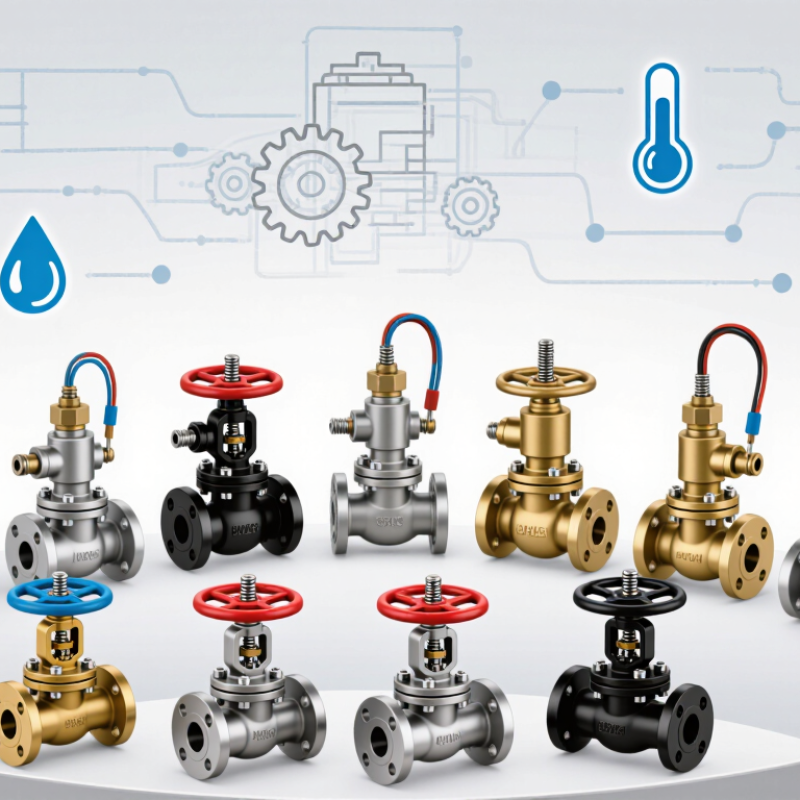
Solenoid Valve Industry Overview in China
China’s solenoid valve industry serves a broad mix of equipment makers, process plants, and maintenance teams. Production is concentrated in manufacturing regions with access to metalworking, electronics, and component suppliers. This proximity can shorten sourcing cycles. It does not guarantee consistent performance.
Factories produce valves for water, air, steam, oil, and other compatible fluids. Buyers commonly compare operating pressure, temperature range, orifice size, coil voltage, and connection type. Small details matter. A valve selected by port size alone may fail to meet the system’s flow or sealing requirements. Material compatibility also deserves careful review, especially when fluid conditions change during operation.
The industry combines established production methods with ongoing improvements in machining, coil design, and inspection. Supplier capability can vary, even within the same product category. Ask for dimensional drawings, test records, and clear operating limits before approving a unit. In practice, installation conditions may reveal issues that bench testing misses, such as vibration, contamination, or voltage fluctuation. That is an imperfect part of procurement: specifications cannot describe every real-world condition, so field feedback should inform later selections.
China Top 10 Solenoid Valve Manufacturers - Solenoid Valve Industry Overview in China
An overview of ten application segments relevant to the solenoid valve industry. The rows describe market uses and selection factors; they are not a ranked list of manufacturers.
| No. | Application Segment | Typical Solenoid Valve Duty | Common Valve or Flow Configuration | Key Selection Considerations |
|---|---|---|---|---|
| 1 | Water Supply and Treatment | Control water flow in treatment equipment, distribution systems, and automated dosing lines. | Two-way shutoff valves; direct-acting or pilot-operated designs, depending on flow and pressure conditions. | Check fluid cleanliness, pressure range, port size, seal compatibility, and whether the valve requires a minimum differential pressure. |
| 2 | HVAC and Refrigeration | Switch or isolate refrigerant and control fluid flow in heating, ventilation, air-conditioning, and refrigeration equipment. | Normally closed or normally open two-way valves; refrigerant-specific designs are used in refrigeration circuits. | Confirm refrigerant compatibility, operating pressure and temperature limits, coil voltage, and the valve’s intended position in the circuit. |
| 3 | Factory Automation | Operate pneumatic actuators and control air or other approved process media in automated machinery. | Two-, three-, or five-port directional valves; manifold-mounted configurations are common in pneumatic systems. | Match port arrangement, flow capacity, response requirements, electrical connection, and the actuator’s required switching function. |
| 4 | Food and Beverage Processing | Control water, air, and compatible process fluids in production and cleaning equipment. | Two-way shutoff valves; hygienic designs may be selected for product-contact service. | Verify wetted-material compatibility, cleaning procedure, temperature limits, and applicable hygiene requirements for the installation. |
| 5 | Medical and Laboratory Equipment | Switch or meter small flows of air, water, or other specified fluids in instruments and analytical equipment. | Compact direct-acting valves; multi-port or proportional designs may be used where the equipment requires them. | Consider internal volume, leakage, material compatibility, electrical requirements, and the cleanliness needs of the fluid path. |
| 6 | Chemical Processing | Isolate or direct compatible liquids and gases in dosing, sampling, and process-control systems. | Two-way or multi-port valves, selected according to the required flow path and process conditions. | Check chemical compatibility of the body, seals, and internal parts, as well as pressure, temperature, and hazardous-area requirements. |
| 7 | Oil and Gas Equipment | Control instrument air, fuel gas, or other specified media in equipment and control systems. | Two-way shutoff or directional valves, with construction selected for the service environment. | Evaluate media compatibility, pressure rating, ambient conditions, coil enclosure, and required hazardous-area approvals. |
| 8 | Power Generation | Support control and auxiliary systems that use air, water, fuel, or other specified fluids. | Two-way or directional configurations, selected to suit the system function and operating conditions. | Confirm temperature and pressure limits, duty cycle, supply voltage, environmental protection, and the consequences of power loss. |
| 9 | Agricultural Irrigation | Open and close water-flow paths in automated irrigation and water-management systems. | Two-way valves; pilot-operated models may be used where system flow and pressure conditions support their operation. | Account for water quality, debris, pressure range, flow rate, weather exposure, and maintenance access. |
| 10 | Rail and Transportation Equipment | Control pneumatic or fluid functions in vehicle systems and supporting equipment. | Directional or shutoff valves designed for the specified equipment and installation environment. | Review vibration, temperature range, electrical supply, mounting constraints, and any sector-specific qualification requirements. |
Selection note: Actual valve suitability depends on the operating medium, pressure and temperature range, flow requirement, electrical supply, installation conditions, and applicable local regulations. Confirm these details against the equipment specification before choosing a valve.
Related Posts
-
How to Choose the Best Solenoid Valves for Your Industrial Applications
-

Tailored Solutions for Enhancing Efficiency with Advanced Solenoid Valves in Industrial Applications
-
2025 Top 5 Industrial Solenoid Valves You Need to Know About
-

What is a Solenoid Valve How Does it Work?
-
Top 10 Applications of the Best Pneumatic Solenoid Valves in Industrial Automation
-

2026 How to Choose the Right Flow Control Valve for Your Needs?